Key Points:
- PVC roofs offer exceptional heat resistance, maintaining structural integrity and performance even in extreme temperatures and UV exposure.
- Its superior reflective properties significantly reduce building cooling costs, outperforming other common roofing materials in hot conditions.
- Proper installation and minimal maintenance ensure PVC roofs provide long-term durability and energy savings in challenging climates.
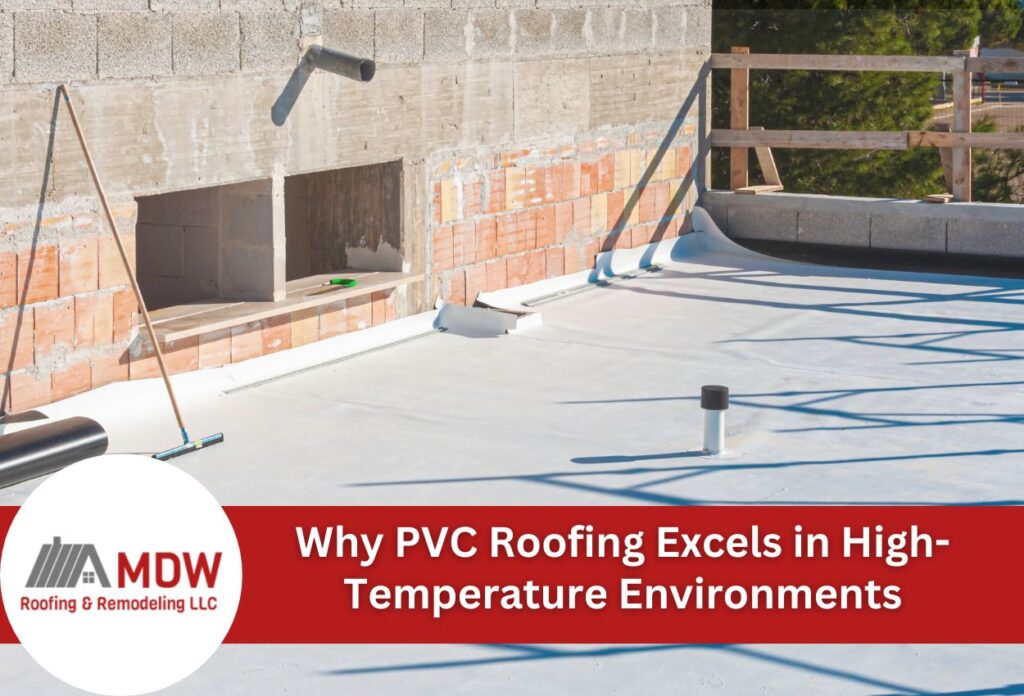
The heat resistance of PVC roofing systems is among the most impressive characteristics of this advanced commercial roofing material. When temperatures soar above 100 degrees Fahrenheit, PVC roofing systems demonstrate remarkable thermal performance that surpasses traditional roofing options. The polymer structure of PVC membranes creates inherent heat-resistant properties that maintain material stability even under extreme weather conditions.
Unlike conventional materials that may soften, crack, or deteriorate when exposed to intense heat, PVC maintains its structural integrity through scientifically engineered thermal barriers. This superior resistance translates directly into extended roof life and consistent protection for commercial buildings.
The benefits of a PVC roof on a commercial building include sustained flexibility, maintained seam strength, and resistance to thermal shock that occurs during rapid temperature changes. These properties make PVC roofing particularly valuable for buildings in regions experiencing intense summer heat and dramatic temperature fluctuations.
Temperature Tolerance Limits of PVC Roofing Systems
Understanding the specific temperature thresholds of PVC roofing systems reveals why these membranes excel in extreme heat. PVC’s temperature tolerance generally ranges from approximately -40 degrees to 140 degrees for continuous exposure, with higher temperatures tolerated for short durations without immediate material failure. This impressive range demonstrates the superior heat resistance of PVC, which makes these systems ideal for commercial applications in challenging climates.
PVC’s thermal performance during temperature fluctuations showcases the material’s ability to expand and contract without compromising seam integrity or membrane strength. The thermoplastic nature of PVC allows controlled thermal movement while maintaining watertight protection. Heat-resistant roofing materials like PVC perform consistently well even when subjected to daily temperature swings exceeding 50 degrees.
The benefits of a commercial PVC roof become particularly evident during thermal cycling, where temperatures rapidly shift between extremes. The membrane’s molecular structure prevents brittleness in cold conditions and softening during heat exposure. The durability of PVC roofing in hot weather comes from its specialized formulas that include heat stabilizers and UV inhibitors, ensuring long-term performance without thermal degradation or premature aging of the roofing system.
Thermal Performance for Commercial Buildings
PVC roofing’s heat resistance directly reduces cooling costs by minimizing heat transfer into building interiors. The membrane’s reflective surface technology bounces solar radiation away from the structure, preventing excessive heat buildup that forces HVAC systems to work harder during peak temperature periods.
The thermal performance of a PVC membrane creates measurable reductions in a building’s heating through advanced polymer engineering. The white or light-colored surface of PVC roofing systems reflects up to 80% of solar energy, while the membrane’s insulating properties prevent thermal bridging. Heat-resistant roofing materials like PVC maintain consistent thermal barriers even when surface temperatures exceed 140 degrees.
PVC roofing temperature tolerance ensures the membrane maintains its reflective properties without degrading under intense UV exposure. PVC roof durability in hot weather translates to sustained energy performance throughout the system’s lifespan, making these installations particularly valuable for large commercial facilities seeking long-term operational efficiency.
Comparing PVC Against Other Heat-Resistant Roofing Options
When evaluating heat-resistant roofing materials, PVC heat resistance consistently outperforms TPO, EPDM, and modified bitumen systems in extreme temperature environments. TPO membranes often experience accelerated aging when exposed to prolonged heat cycles, while EPDM rubber can become brittle and crack under thermal stress. Modified bitumen systems may soften and lose structural integrity during peak temperature events that PVC roofing systems handle without compromise.
PVC roofing temperature tolerance demonstrates superior stability compared to alternative single-ply membranes. EPDM systems typically show material degradation at temperatures where PVC maintains full performance capabilities. TPO membranes may experience seam failure during thermal expansion cycles, while PVC membrane thermal performance remains consistent through repeated temperature fluctuations. Modified bitumen systems require additional protective coatings to achieve thermal resistance levels that PVC provides inherently.
Long-term durability analysis reveals why commercial PVC roofing benefits extend beyond initial installation performance. After 10 years of exposure to extreme heat, PVC systems maintain membrane flexibility and seam strength that deteriorates significantly in competing materials.
Hot Weather Durability and Longevity Factors
UV exposure and sustained high temperatures significantly impact PVC membrane lifespan, though these systems demonstrate exceptional resistance compared to alternative materials. PVC roof heat resistance includes built-in UV stabilizers that prevent polymer degradation during prolonged sun exposure. Most manufacturers provide warranty coverage that specifically accounts for thermal stress and UV damage, offering protection periods ranging from 15 to 30 years, depending on membrane thickness and installation quality.
The thermoplastic composition allows PVC membranes to withstand daily thermal cycling without experiencing the cracking or splitting that commonly affects competing materials. Heat-resistant roofing materials like PVC retain their molecular structure integrity, ensuring warranty terms remain enforceable throughout the coverage period despite exposure to intense solar radiation.
Maintenance requirements for PVC roofs in hot environments focus on periodic inspection and debris removal rather than intensive repair procedures. Commercial PVC roofing benefits include minimal maintenance demands, even during harsh summer conditions. Regular inspections should examine seam integrity, membrane surface condition, and drainage system functionality.
Installation Considerations for Maximum Heat Performance
Proper installation techniques directly impact PVC roof heat resistance and long-term thermal performance capabilities. Professional contractors must implement precise membrane attachment methods that accommodate thermal expansion without compromising the structural integrity of the seam. Heat-welded seams require specific temperature settings and timing to ensure the PVC membrane’s thermal performance remains the best during extreme weather conditions. Incorrect installation procedures can significantly reduce the system’s ability to withstand high temperatures and thermal cycling.
Roof decking preparation plays an important role in maximizing heat-resistant roofing materials during installation. The surface of the deck must provide adequate thermal stability and proper drainage to prevent heat buildup beneath the membrane. Insulation layers require careful selection and installation to complement PVC roofing’s temperature tolerance while providing the best possible thermal barriers. Commercial PVC roofing benefits depend heavily on professional installation techniques that address thermal movement and roof deck compatibility issues.
Ventilation requirements become essential for optimizing PVC roof durability in hot weather conditions. Proper airflow beneath the membrane prevents excessive heat accumulation that could compromise system performance. Installation crews must ensure adequate ventilation pathways while maintaining membrane attachment integrity. Professional installation techniques include strategic placement of thermal breaks and expansion joints that accommodate temperature-related movement without creating potential failure points in the roofing system.
Making the Right Choice for Your Building
Determining whether PVC roofing provides the optimal solution for specific heat resistance requirements involves a building assessment and performance evaluation. Building owners must analyze current thermal challenges, energy consumption patterns, and long-term operational goals before selecting roofing materials. PVC roof heat resistance offers distinct advantages for structures experiencing excessive cooling costs, frequent HVAC repairs, or interior temperature control issues during peak summer months.
Critical evaluation factors include building size, occupancy type, existing insulation levels, and regional climate patterns that affect thermal performance. Commercial facilities with large roofs benefit most from a PVC membrane’s thermal performance capabilities. Heat-resistant roofing materials like PVC prove particularly valuable for buildings housing temperature-sensitive operations, high-occupancy spaces, or equipment requiring consistent climate control throughout extreme weather periods.
The temperature limits for PVC roofs become essential for buildings experiencing roof surface temperatures exceeding 140 degrees during summer. Commercial PVC roofing benefits extend beyond thermal performance to include energy savings, reduced maintenance requirements, and extended service life. Building assessment should evaluate current roofing system failures, energy costs, and operational disruptions caused by inadequate thermal protection. PVC roof durability in hot weather addresses these challenges through superior material properties and proven long-term performance capabilities.
Maximize Your Building’s Efficiency with MDW Roofing & Remodeling LLC’s PVC Roofing Solutions
If you’re facing challenges with extreme temperatures and are in need of a roofing solution that withstands high heat while reducing cooling costs, consider the advanced PVC roofing systems offered by MDW Roofing & Remodeling LLC. Our PVC roofs are designed not only to endure the harshest temperatures but also to enhance the energy efficiency of your commercial building.
Ready to discuss your roofing needs or schedule an installation? Call us now at (832) 766-9994 and ensure your property is equipped to handle the heat.