
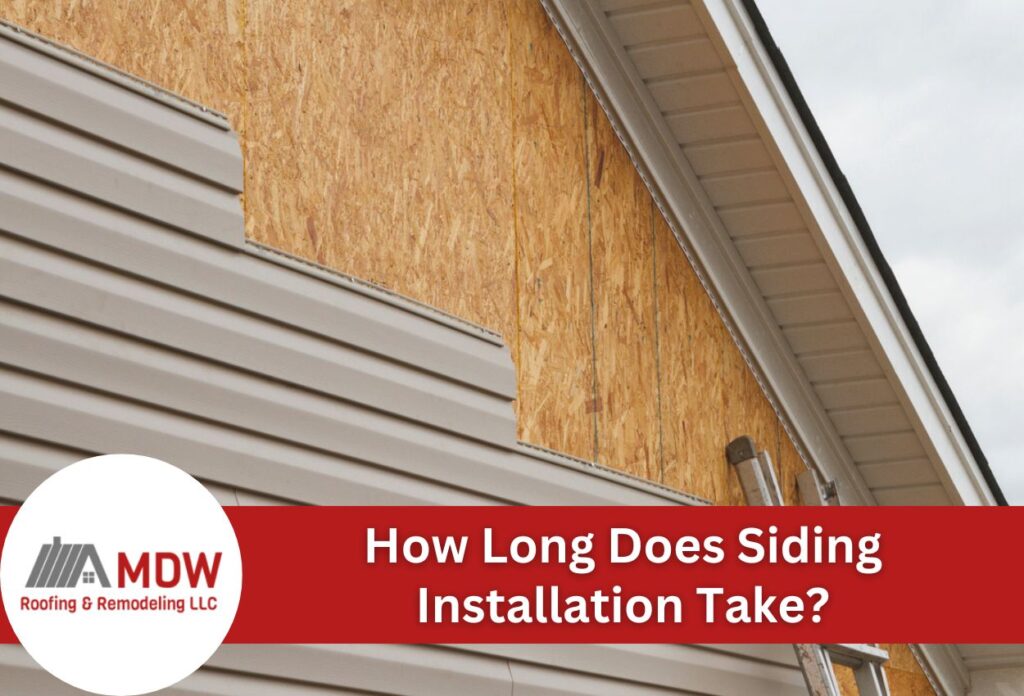

Siding installation typically takes about 3 to 7 days for most residential homes, though this timeframe can vary significantly based on several important factors. The siding installation process involves multiple steps that professional contractors must complete carefully to ensure proper protection and curb appeal for your home.
The timeline for your siding replacement depends on a few things, like the size of your home, the type of material being installed, and current weather conditions. Vinyl siding installation time generally runs faster than other materials, often completing within 3 to 5 days for average-sized homes. Fiber-cement siding installation requires additional time due to its weight and installation complexity, potentially extending the project to 7 or 10 days.
Weather plays an important role in scheduling. Rain, extreme temperatures, and high winds can delay progress and extend completion times. The condition of existing siding also impacts the duration. Homes that require extensive preparation or structural repairs will need additional time before new siding installation begins.
Understanding these timeframes helps homeowners plan accordingly for temporary disruptions to their daily routines. Professional siding contractors typically provide detailed project schedules that account for specific home characteristics and potential delays, ensuring realistic expectations throughout the installation process.
Breaking Down the Siding Installation Process
The siding installation process begins well before the first piece of material touches your home’s exterior walls. Pre-installation preparation helps the project start on the right foot and can directly impact the overall project timeline. Contractors must secure necessary permits, coordinate material delivery schedules, and establish proper site setup to ensure smooth daily operations.
Material delivery timing significantly affects the siding replacement timeline, as delays can push back the entire project schedule. Professional contractors typically arrange deliveries 1 to 2 days before installation begins, allowing time for material inspection, organization, and climate acclimation. Site preparation includes protecting landscaping, setting up equipment, and establishing safe work zones around the property perimeter.
The daily workflow follows an approach that maximizes efficiency while maintaining quality standards. Day 1 typically involves removing existing siding and assessing the underlying structure for any necessary repairs. Installations benefit from this methodical approach, with crews installing starter strips, corner posts, and trim pieces before beginning horizontal siding placement.
Fiber-cement siding installation requires additional steps, including pre-cutting materials and ensuring proper spacing for expansion. Each day should conclude with cleanup activities and progress inspection to maintain project momentum. Weather monitoring should remain constant throughout the process, as conditions directly influence daily productivity and safety considerations for the installation crew.
Vinyl Siding Installation Timeframes and Scheduling Expectations
Understanding the specific timeframes for vinyl siding installation helps homeowners establish realistic expectations for their residential siding installation project. The complexity and size of your home directly influence how long the siding installation process will take from start to finish.
Small homes under 1,200 square feet typically require 3 to 4 days for complete vinyl siding installation time, assuming favorable weather conditions and straightforward architectural features. Medium-sized homes ranging from 1,200 to 2,000 square feet generally need 3 to 7 days for completion. Larger homes exceeding 2,000 square feet often require 7 to 10 days, particularly when featuring complex rooflines, multiple dormers, or intricate trim work.
Weather considerations play a significant role in determining actual completion times for any siding replacement timeline. Rain delays installation progress since moisture prevents proper adhesion and creates safety hazards for crews working on elevated surfaces. Extreme temperatures below 40 degrees Fahrenheit can make vinyl materials brittle and difficult to handle properly. High winds exceeding 25 mph force contractors to suspend work for safety reasons.
Seasonal factors also impact scheduling expectations throughout the year. Spring and fall typically offer the best conditions for residential siding installation, while summer heat can slow progress during peak afternoon hours. Winter installations face more frequent weather delays, potentially extending project timelines by several additional days depending on regional climate patterns and storm frequency.
Fiber-Cement Siding Installation Duration and Timeline Planning
Fiber-cement siding installation requires significantly more time than vinyl alternatives due to the material’s unique characteristics and specialized handling requirements. The extended timeframes stem from the product’s weight, density, and precise cutting needs that require careful attention throughout the residential siding installation process.
Material handling presents the first major factor affecting fiber-cement siding installation duration. Each panel weighs considerably more than vinyl alternatives, requiring additional crew members and specialized equipment for safe transport and positioning. This increased labor requirement naturally extends the daily progress rate and overall siding replacement timeline for most residential projects.
Cutting requirements add substantial time to the siding installation process since fiber cement materials need precise measurements and specialized tools for proper fit. Unlike vinyl siding installation, which benefits from quick scoring and snapping techniques, fiber cement needs circular saw cuts with carbide-tipped blades. Each cut generates dust that requires cleanup protocols and safety measures, further impacting daily productivity rates.
Additional steps unique to fiber cement include pre-drilling nail holes to prevent cracking and applying proper spacing techniques for thermal expansion. These specialized techniques ensure long-term performance but require methodical installation approaches that typically extend project timelines by 2 to 4 additional days compared to standard vinyl installations. Weather sensitivity also increases with fiber-cement materials, as moisture exposure during installation can affect material integrity and bonding performance.
Factors That Can Extend or Shorten Your Siding Installation Timeline
Several specific factors can impact how long your siding installation takes, with some elements potentially adding days to your project while others may help accelerate completion. Understanding these variables helps homeowners prepare for realistic timelines and avoid unexpected delays during their residential siding installation.
The complexity of a home’s architecture is one of the most influential factors affecting the siding installation process duration. Houses with multiple stories, bay windows, dormers, and intricate trim work require additional time for precise measurements and custom fitting. Simple ranch-style homes with straightforward exterior walls typically complete faster than multi-level structures with complex rooflines and numerous architectural details.
The condition of existing siding plays a crucial role in determining your siding replacement timeline. Homes with well-maintained exterior walls often require minimal preparation work, allowing crews to begin installation quickly. However, properties with rot, structural damage, or multiple layers of old siding need extensive prep work that can extend the installation time by several days.
Crew size and contractor experience directly influence project efficiency and completion speed. Experienced teams familiar with specific materials work more efficiently than inexperienced crews learning techniques on site. Larger crews can tackle multiple sections simultaneously, while smaller teams must work sequentially.
Planning Your Siding Replacement Project Timeline Effectively
Effective timeline planning for siding installation requires careful consideration of multiple factors that influence project scheduling and completion dates. The siding replacement timeline extends beyond the actual installation period to include preparation phases, material procurement, and potential weather-related adjustments that can affect overall project duration.
Houston’s climate conditions present unique scheduling opportunities throughout the year for residential siding installation projects. The region’s mild winters allow for year-round installation work, though summer heat and humidity can impact daily productivity during peak afternoon hours. Spring and fall typically provide the best working conditions with moderate temperatures and reduced precipitation frequency.
Contractor availability is a critical element in project timeline development, as experienced siding professionals often maintain busy schedules during peak construction seasons. Scheduling installation work during less busy periods can sometimes reduce wait times and provide more flexible completion timelines. Professional contractors typically require 2 to 4 weeks’ advance notice for project scheduling, depending on seasonal demand patterns.
Household preparation is important when coordinating the siding installation process around family schedules and daily routines. Noise levels, equipment placement, and temporary access restrictions require planning to minimize disruption. Pet safety considerations and outdoor furniture protection should be addressed before installation crews arrive to ensure smooth project progression and protect personal property throughout the construction period.
What to Expect During Your Residential Siding Installation Experience
Residential siding installation brings temporary changes to your daily routine that require preparation and understanding. The siding installation process involves noise, equipment placement, and crew activity around your home’s exterior that can create disruptions throughout the project timeline. Professional contractors work to minimize these inconveniences while maintaining steady progress toward completion.
Access restrictions around your home’s perimeter remain necessary throughout the siding replacement timeline for safety and efficiency purposes. Landscaping protection, temporary walkway modifications, and parking adjustments help crews maintain clear work zones while protecting your property. Professional installers establish designated areas for material storage and debris removal that minimize impact on your outdoor spaces.
Quality checkpoints occur throughout the installation process to ensure proper technique and material placement. Contractors perform daily progress inspections, checking for proper alignment, secure fastening, and weather barrier integrity. The final walkthrough provides homeowners with a detailed explanation of completed work, warranty information, and maintenance recommendations to protect their new siding investment for years ahead.
Make the Best of Your Home’s Siding with MDW Roofing & Remodeling LLC
If you’re planning to enhance your home’s durability and look with new siding, understanding the timeline for installation is crucial. Siding installation time can vary based on several factors, including the type of material, like vinyl or fiber cement, the size and design of your home, as well as weather conditions. At MDW Roofing & Remodeling LLC, we streamline the process to ensure efficiency without compromising on quality.
Don’t let the uncertainty of project timelines deter you. Call us today at (832) 766-9994 to schedule a consultation. Our experts are ready to help you plan your project according to your specific needs and timeline expectations.