Why are Roof Vent Pipes Important? Understanding Their Role in Safety and Efficiency
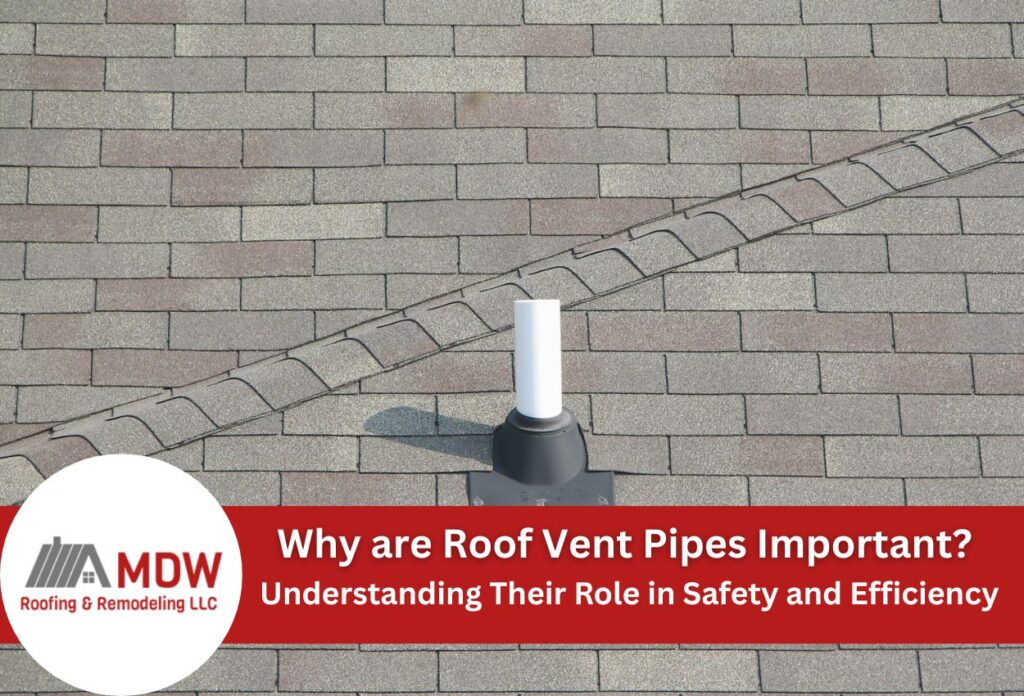
Most homeowners never think about the small pipes protruding from their roofs until something goes wrong. These roof vent pipes serve dual purposes that directly impact both safety and comfort inside the home. Understanding why roof vent pipes are important can help prevent expensive damage and protect your family’s health.
Roof vent pipes play essential roles in both plumbing drainage systems and home ventilation. Plumbing vent pipes allow sewer gases to escape safely outside while preventing dangerous gas buildup inside living spaces. Without proper venting, toxic gases like methane and hydrogen sulfide can accumulate indoors, creating serious health hazards.
The benefits of roof vent pipes extend beyond gas removal. These pipes regulate air pressure within plumbing lines, ensuring water flows smoothly through drains and toilets. When vent pipes become blocked or damaged, homeowners often experience slow drains, gurgling sounds, or foul odors throughout the house.
Signs of blocked roof vent pipes include water backing up in sinks, unusual noises from plumbing fixtures, and persistent sewer smells. Proper installation and regular roof vent pipe maintenance prevent these problems from developing into expensive repairs or health concerns that affect the entire household.
How Roof Vent Pipes Keep Your Plumbing System Running Smoothly
The science behind plumbing vent pipes centers on air pressure balance within drainage systems. When water flows down drains, it displaces air that must be replaced to prevent vacuum formation. Roof vent pipes provide the pathway for outside air to enter the system, equalizing pressure and allowing waste water to flow efficiently through pipes.
Without proper ventilation, draining water creates negative pressure that slows drainage and can pull water from fixture traps. These traps normally contain standing water that blocks sewer gases from entering homes. When vacuum conditions develop, the protective water barrier gets compromised, allowing dangerous gases to seep into living spaces.
Blocked or damaged roof vent pipes disrupt this delicate pressure balance, potentially causing numerous plumbing problems throughout the home. Homeowners typically notice slow drains first, followed by gurgling sounds as air struggles to enter the system through alternate routes. Signs of blocked roof vent pipes also include bubbling in toilets when other fixtures drain, and persistent odors near plumbing fixtures.
Complete plumbing backups can occur when these systems experience severe blockages. Leaves, bird nests, or accumulated debris can obstruct vent openings, forcing the entire drainage system to work against vacuum pressure. Regular roof vent pipe maintenance prevents these issues and keeps the plumbing system working as intended year-round.
Protecting Your Home from Damage and Poor Air Quality
Roof vent pipe systems protect against moisture-related damage that can compromise your home’s structural integrity and indoor air quality. When roof vent pipes function correctly, they keep waste water from backing up into sinks and causing damage. Signs of blocked roof vent pipes often manifest as unpleasant odors, gurgling sounds from sinks, and excess water in toilets, which can overflow if the clog is not addressed.
Roof ventilation system benefits include maintaining healthy indoor air circulation throughout the home. When vent pipes become blocked, stagnant air allows moisture and dangerous gases to accumulate. These gases contain harmful compounds that cause headaches, nausea, and respiratory problems when exposure occurs over extended periods. Proper roof vent pipe installation ensures dangerous gases escape safely outside while maintaining the air pressure balance needed to keep protective water seals intact in drain traps, protecting both structural elements and occupant health.
Warning Signs That Your Roof Vent Pipes Need Immediate Attention
Recognizing early warning signs of roof vent pipe problems can prevent extensive damage and major repairs. Several common symptoms indicate that these systems are compromised, and immediate action is required.
Slow-draining fixtures are a frequent indicator of vent pipe issues. When sinks, bathtubs, or showers take longer than usual to empty, blocked or damaged roof vent pipes often prevent proper air circulation within plumbing lines. Plumbing vent pipes rely on unrestricted airflow to maintain pressure balance, and any obstruction disrupts this critical process.
Unusual gurgling sounds from drains and toilets signal air struggling to enter the system through alternative pathways. These noises occur when vacuum conditions develop due to inadequate ventilation. Persistent sewer odors throughout the home indicate that protective water seals in drain traps have been compromised by negative pressure conditions.
A visual inspection from ground level can reveal obvious signs of blocked roof vent pipes, including debris accumulation around pipe openings, damaged pipe caps, or visible cracks in vent extensions. Attic inspections may uncover loose connections, separated joints, or water stains around vent pipe penetrations that indicate its waterproof seal is compromised.
Homeowners should also watch for bubbling in toilets when other fixtures drain, water backing up in multiple locations simultaneously, and increased humidity levels that suggest poor air circulation. These symptoms indicate that roof vent pipe maintenance is urgent to restore system functionality and prevent health hazards from developing.
Maintenance Practices to Keep Roof Vent Pipes Functioning Properly
Regular maintenance ensures roof vent pipes continue to provide essential ventilation, preventing expensive plumbing problems. Establishing consistent inspection routines helps homeowners identify potential issues before they develop into major complications.
Seasonal inspection schedules should focus on removing debris that commonly accumulates around vent openings. Leaves, branches, and other organic materials can block airflow and compromise the plumbing vent pipe function. Spring and fall inspections allow property owners to clear debris and prepare vents for extreme weather conditions.
Homeowners can safely perform basic roof vent pipe maintenance checks from ground level using binoculars to inspect visible pipes. Cleaning gutters and removing overhanging branches prevents debris from reaching vent openings. Simple visual checks can identify damaged vent caps, loose flashing, or obvious blockages that require attention.
Professional roofing contractors should handle tasks involving roof access, structural modifications, or complex repairs. Issues that persist after basic maintenance likely require expert tools and expertise. Licensed professionals can safely inspect pipe interiors, repair damaged flashing, and ensure installation standards are maintained.
Scheduling annual professional inspections protects the entire roof system while identifying issues that untrained individuals might overlook. This balanced approach combines routine homeowner oversight with expert maintenance to preserve optimal vent performance and prevent system failures.
Installation Standards That Ensure Long-Term Performance
Professional installation of roof vent pipes requires adherence to specific building codes and industry standards for optimal performance throughout the system’s lifespan. Sizing calculations must account for the number of fixtures served, pipe diameter requirements, and distance limitations. Local building codes generally establish minimum standards for vent placement, height requirements above rooflines, and spacing between multiple vent penetrations.
Critical installation requirements include precise pipe sizing that matches drainage capacity, strategic placement that maximizes airflow efficiency, and professional sealing techniques that prevent water infiltration around roof penetrations. The overall benefits of this system depend entirely on meeting these exacting standards during initial installation. Improper sizing can create insufficient airflow that fails to maintain pressure balance, while incorrect placement may cause leaks or reduce ventilation effectiveness.
Common installation mistakes include undersized vent pipes, inadequate slope for condensation drainage, and poor flashing installation around roof penetrations. These errors compromise long-term performance and often require expensive corrections that could have been avoided through proper roof vent pipe installation from the beginning. DIY installations frequently result in code violations, voided warranties, and premature system failures that affect overall plumbing performance.
Professional contractors possess knowledge of local building requirements, quality materials, and installation techniques that prevent future problems. Their expertise ensures roof vent pipe maintenance needs remain minimal while maximizing system reliability and preventing installation defects.
Making the Right Decisions About Your Home’s Roof Vent Pipe System
Evaluating the current condition of your roof vent pipes requires assessing both visible components and system performance indicators. Homeowners should begin by documenting drainage efficiency throughout the house, noting any fixtures that drain slowly or produce unusual sounds. These observations help identify whether existing roof vent pipe systems are meeting the home’s needs or if upgrades may be necessary.
A professional evaluation is essential when multiple signs of blocked roof vent pipes appear simultaneously or when persistent problems continue despite basic maintenance efforts. Qualified roofing contractors possess specialized equipment to safely inspect vent pipes at roof level, assess structural integrity around penetrations, and determine if current installations meet modern building standards.
Questions to ask roofing professionals include inquiries about vent pipe sizing for current plumbing systems, compliance with updated building codes, and the expected lifespan of existing components. Understanding why roof vent pipes are important helps homeowners decide between repair and replacement options when problems are discovered.
Safety considerations should also drive decision-making when persistent sewer odors or drainage problems indicate compromised plumbing vent pipe function. Professional contractors can perform comprehensive system evaluations that identify hidden issues affecting air quality and plumbing performance. Their recommendations ensure installation standards are met while addressing current deficiencies that may pose health risks or lead to expensive damage if left unresolved.
Ensure Your Home’s Safety and Efficiency with MDW Roofing & Remodeling LLC
Understanding the role of roof vent pipes in your home is essential for maintaining a safe living environment. These components are not only vital for proper plumbing and ventilation but also for preventing hazards like sewer gas leaks and moisture accumulation that can lead to mold growth and structural damage. If you’re experiencing issues such as slow draining, unusual odors, or gurgling sounds, it’s a clear sign that your roof vent pipes require immediate attention.
To protect your family and your home, consider a professional inspection and maintenance from MDW Roofing & Remodeling LLC. Our team offers both roofing and home interior services, so your roof vent pipes continue to function as intended. With expertise in ensuring your roof vent pipes are functioning correctly, we can help you avoid expensive repairs and enhance your home’s overall air quality. Don’t wait for the warning signs to become more severe. Call us today at (832) 766-9994 and keep your home’s roof and plumbing system in top condition.