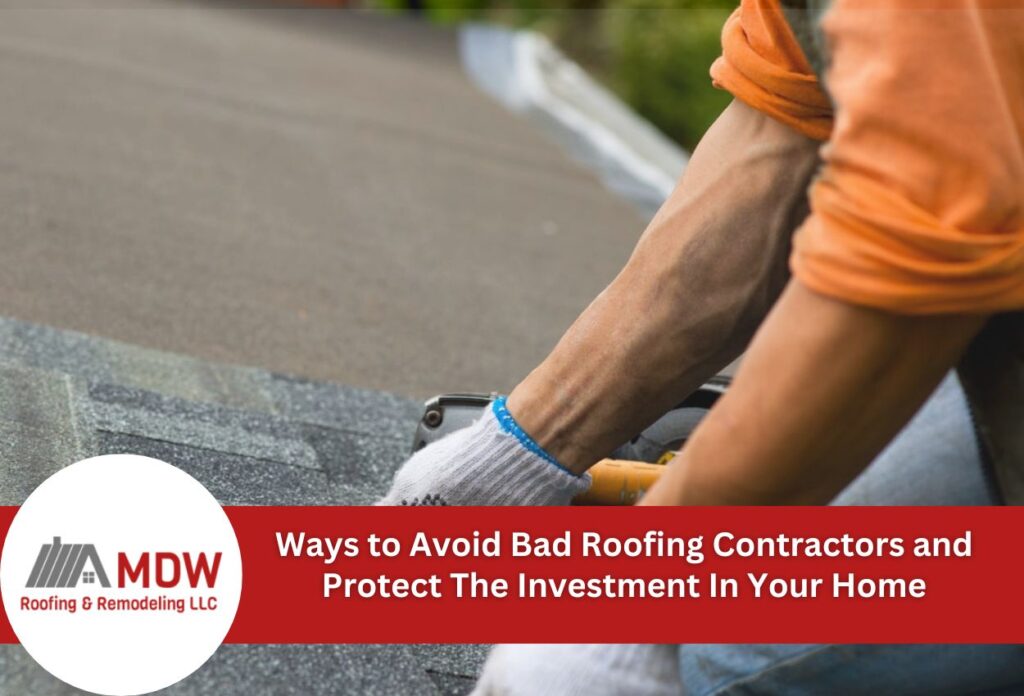
Ways to Avoid Bad Roofing Contractors and Protect The Investment In Your Home
Homeowners face significant financial risks when hiring the wrong roofing contractor, with damages often reaching thousands of dollars beyond the original project cost. Bad roofing contractors can leave properties exposed to weather damage, create structural problems, and abandon projects halfway through completion. These situations force homeowners to pay twice for the same work while dealing with extensive repairs.
Ways to avoid bad roofing contractors start with recognizing common warning signs and understanding fraudulent schemes that target unsuspecting property owners. Door-to-door solicitors, contractors demanding large upfront payments, and companies without proper licensing represent just a few red flags for roofing contractors. Storm-damaged areas particularly attract fly-by-night operations that prey on urgent repair needs.
Choosing a reputable roofing company requires thorough research and verifying credentials, insurance coverage, and local references. The warning signs become more apparent when homeowners know what to look for during the vetting process. Understanding how to vet roofing contractors properly protects both the immediate investment in the project and long-term property value.
Early Warning Signs That Signal Contractor Red Flags
Recognizing roofing contractor warning signs begins with identifying suspicious behavior patterns that legitimate businesses avoid. Door-to-door roofers who arrive unannounced often represent the first major red flag for roofing contractors. These individuals typically use high-pressure sales tactics, claiming they happened to notice roof damage while working in the neighborhood. Reputable contractors rarely need to solicit business through cold calls or surprise visits, as established companies maintain steady client bases through referrals and marketing efforts.
Unprofessional communication methods reveal additional warning signs when evaluating potential contractors. Companies that refuse to provide detailed written estimates, lack proper business documentation, or communicate solely through personal phone numbers demonstrate questionable legitimacy. Ways to avoid bad roofing contractors include demanding comprehensive proposals that outline materials, labor costs, and project timelines. Choosing a reputable roofing company means working with businesses that maintain professional offices, proper licensing, and clear communication protocols throughout the entire process.
Essential Verification Steps for Contractor Credentials
Confirming the licensing requirements represents a critical step in how to vet roofing contractors effectively. While Texas does not require specific licensing for roofing work, legitimate contractors maintain education on proper roofing techniques, and pursue options such as certifications through the Roofing Contractors Association of Texas, or manufacturer certifications.
Insurance coverage verification protects homeowners from significant liability issues that arise when uninsured contractors cause property damage or worker injuries occur on-site. Ways to avoid bad roofing contractors include contacting insurance providers directly to confirm active policies for both general liability and workers compensation coverage. Red flags for roofing contractors emerge when companies cannot provide current insurance certificates or refuse to allow direct verification with their carriers.
Researching contractor business history through Better Business Bureau ratings and online review platforms reveals patterns that indicate reliability or problematic behavior. Choosing a reputable roofing company involves examining complaint histories, resolution methods, and customer satisfaction trends across multiple review sources. Roofing contractor warning signs become apparent when businesses show repeated complaints about abandoned projects, poor workmanship, or billing disputes that remain unresolved over extended periods.
Smart Questions to Ask Before Signing Any Contract
Project timeline discussions reveal important insights about contractor organization and commitment levels. Experienced contractors provide realistic completion schedules that account for weather delays, material delivery times, and permit processing requirements. Ways to avoid bad roofing contractors include asking specific questions about daily work schedules, crew availability, and backup plans for unexpected delays. Red flags for roofing contractors surface when companies provide vague timelines or promise unrealistic completion dates that seem too good to be true.
Material sourcing questions help homeowners understand contractor relationships with suppliers and quality standards for roofing products. Legitimate contractors explain material grades, manufacturer warranties, and delivery coordination without hesitation. Roofing contractor warning signs emerge when companies cannot specify material brands, provide supplier contact information, or explain product differences clearly. How to vet roofing contractors effectively means requesting detailed material specifications and verifying supplier relationships independently.
Warranty coverage discussions separate professional contractors from unreliable operators who avoid long-term responsibility for their work. Choosing a reputable roofing company requires understanding both manufacturer warranties on materials and contractor guarantees on installation quality. Avoiding roofing scams includes requesting written warranty documentation that clearly outlines coverage periods, claim procedures, and maintenance requirements that keep warranties valid throughout their duration.
Financial Protection Strategies During the Hiring Process
Understanding legitimate payment structures helps homeowners distinguish between professional contractors and potential scammers who demand excessive upfront payments. Reputable roofing companies typically request minimal deposits to secure materials and begin work, with the majority of payment due upon project completion. Red flags for roofing contractors include demands for full payment before work begins or requests for large cash payments that cannot be traced through normal banking channels.
Appropriate payment schedules protect both parties while ensuring contractors receive fair compensation throughout the project timeline. Ways to avoid bad roofing contractors include establishing payment milestones tied to specific completion phases rather than calendar dates. Professional contractors understand that homeowners need protection against abandoned projects and willingly agree to reasonable payment terms that reflect actual work progress.
Recognizing suspicious pricing strategies helps identify contractors who use artificially low bids to secure jobs before increasing costs through change orders or abandoning projects entirely. Roofing contractor warning signs appear when estimates fall significantly below market rates or contractors cannot explain how they achieve lower pricing. Choosing a reputable roofing company means selecting contractors whose bids reflect realistic material costs and fair labor rates rather than unrealistic bargains that indicate corner-cutting or potential fraud. You can even compare multiple detailed estimates from different contractors to understand normal pricing ranges for similar projects.
Contract Terms That Protect Your Interests
Written agreements provide essential protection against contractor disputes and project abandonment by establishing clear expectations for materials, workmanship, and completion dates. Comprehensive contracts should specify exact roofing materials including brand names, model numbers, and quality grades to prevent substituting with inferior products. Ways to avoid bad roofing contractors include demanding detailed cleanup responsibilities that outline debris removal, property protection measures, and site restoration requirements.
Penalty clauses for delayed completion create accountability mechanisms that protect homeowners from extended project timelines that leave properties exposed to weather damage. Red flags for roofing contractors emerge when companies resist including completion dates or refuse to accept financial responsibility for unreasonable delays. Choosing a reputable roofing company means working with contractors who confidently commit to realistic schedules and accept penalty terms for performance failures.
The task of acquiring permits must be clearly defined to prevent legal complications and ensure work meets local building codes and safety standards. Professional contractors handle permit applications, fee payments, and inspection scheduling as standard business practices. Roofing contractor warning signs include companies that expect homeowners to obtain permits or suggest avoiding the permit process entirely.
Taking Action When Problems Arise
When contractor problems develop during roofing projects, immediate documentation becomes essential for protecting legal and financial interests. Photography provides crucial evidence of substandard workmanship, property damage, or project abandonment that may support insurance claims or legal proceedings. Homeowners should capture detailed images showing specific problems, overall project conditions, and any safety hazards created by negligent contractors. Written records of communication create additional documentation trails that establish timelines and contractor responses to reported issues.
Texas consumer protection laws offer specific remedies when contractors fail to fulfill contractual obligations or engage in deceptive practices. These forms of protection include the Deceptive Trade Practices Act and the Residential Construction Liability Act. Understanding these legal protections helps homeowners recognize when problems require professional intervention beyond direct contractor communication.
Legal consultation may become necessary when contractor disputes involve significant financial losses, property damage, or safety concerns that threaten ongoing habitability. Consumer protection attorneys specializing in construction disputes understand remedies available under Texas law and can evaluate whether legal action provides viable solutions.
Ensure Your Roofing Project Succeeds with MDW Roofing & Remodeling LLC
When considering a roofing contractor in Houston, knowing who you can trust is crucial. Avoid the pitfalls of hiring unreliable contractors by choosing MDW Roofing & Remodeling LLC, a company committed to integrity and quality. Understand the risks of engaging with contractors who may leave your project incomplete or expose you to expensive forms of damage.
Contact MDW Roofing & Remodeling LLC today at (832) 766-9994 to schedule a consultation and ensure your roofing needs are met by a trustworthy and experienced professional. We provide detailed written estimates and transparent communication to help you make informed decisions without pressure. Secure your home with a contractor you can trust.
Frequently Asked Questions
Got questions about your roof? We’ve got answers. From maintenance tips to insurance claims and repair timelines, our FAQ section covers the most common concerns homeowners have. Get informed and make confident decisions about protecting your home.
People Also Ask
What immediate actions can I take if I suspect I've hired a bad roofing contractor after work has begun?
Document all concerns thoroughly with photos and written communication detailing specific issues. Review your signed contract for dispute resolution clauses and understand its terms before pausing payments. Consider obtaining a third-party assessment of the ongoing work’s quality and compliance with standards.
To truly ensure reliability, what effective methods should I use to verify references from potential roofing contractors?
Call provided references and ask detailed questions about project adherence, communication, and cleanup. If feasible, visit completed projects to visually inspect workmanship and gauge homeowner satisfaction. Confirm the references are recent and for similar projects to yours to ensure relevant experience.
Beyond legal compliance, how do building permits and inspections protect me from bad roofing contractors and ensure project quality?
Permits trigger mandatory inspections by local authorities who verify work meets current building codes and safety standards. This independent oversight serves as a critical checkpoint, ensuring foundational elements and proper installation methods are followed, thereby safeguarding your home’s structural integrity and long-term value.
Protect Your Home with Expert Roofing
Don’t wait for leaks or storm damage to cause costly repairs. Our experienced roofing team provides fast, reliable service, high-quality materials, and lasting results. Ensure your home stays safe, secure, and looking great—contact us today for a free estimate.