
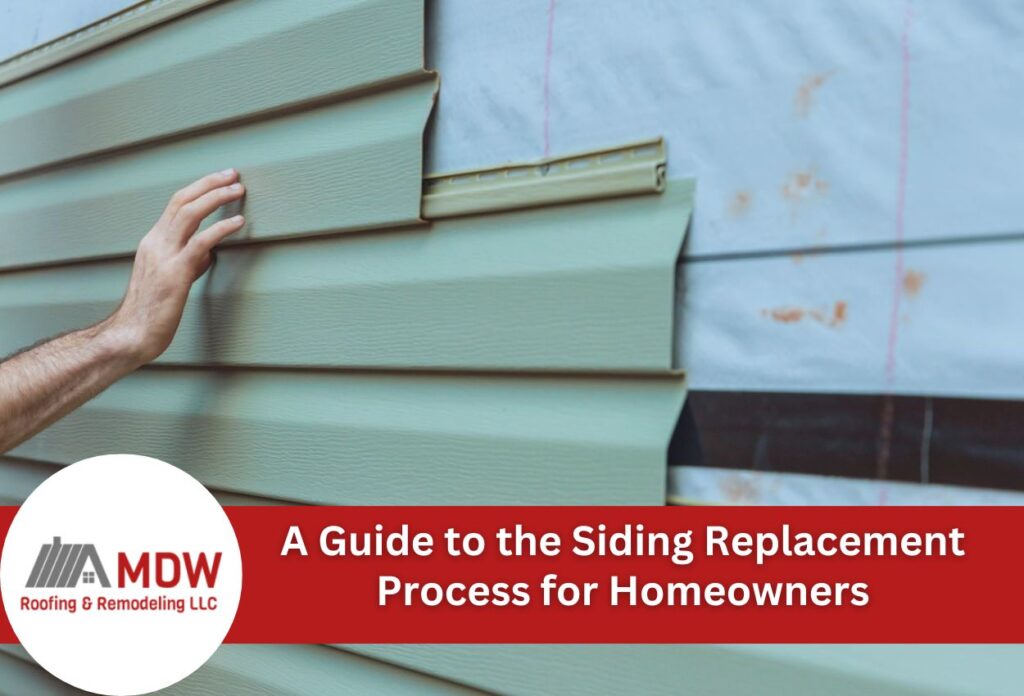
Home siding replacement represents one of the most significant exterior renovations a homeowner can undertake. The siding replacement process involves removing old, damaged materials and installing fresh exterior siding materials that protect and enhance your property’s appearance. Houston’s unique climate creates specific challenges for residential siding, with intense heat, humidity, and severe weather conditions taking their toll on even the most durable materials.
Several warning signs indicate when home siding installation becomes necessary. Cracked, warped, or rotting panels signal that your exterior protection has been compromised. Faded colors, peeling paint, and visible moisture damage also point toward the need for a residential siding upgrade. Energy bills that steadily increase often reflect failing insulation behind deteriorated siding.
The process of removing siding and the installation of new material typically spans several weeks, depending on your home’s size and chosen materials. Professional siding contractors begin with a thorough assessment of existing conditions, followed by material selection, permit acquisition, and the systematic removal of old siding. Modern exterior siding materials offer improved durability, energy efficiency, and aesthetic appeal compared to older options.
Understanding each phase of the siding replacement process helps homeowners make informed decisions about materials, timing, and contractor selection while ensuring their investment delivers lasting protection and value.
The Right Siding for Your Houston Home
Selecting appropriate exterior siding materials requires the consideration of how different options perform in Houston’s demanding climate. Vinyl siding remains popular due to its moisture resistance and low maintenance requirements, though extreme heat can cause expansion and contraction issues. Fiber-cement siding offers superior durability against humidity and wind damage, making it an excellent choice for areas prone to severe weather events.
Wood siding provides natural beauty but demands regular maintenance to prevent rot and insect damage in humid conditions. Metal siding, particularly steel and aluminum options, delivers exceptional storm resistance and energy efficiency, though proper insulation becomes critical to prevent condensation issues during temperature fluctuations.
Key factors influencing material selection include long-term durability, maintenance frequency, and energy performance. Professional siding contractors evaluate your home, existing insulation, and local weather patterns when recommending materials for residential siding upgrade projects. Climate considerations become especially important when planning the complete siding removal steps, as certain materials require specific installation techniques to handle moisture and wind effectively.
Each material option impacts the overall home siding installation timeline and complexity. Understanding how different exterior siding materials respond to Texas weather extremes helps homeowners make informed decisions that balance the initial investment with long-term performance and maintenance requirements throughout the siding replacement process.
Preparing Your Home for Siding Replacement
Proper preparation sets the foundation for a successful siding replacement process. Homeowners should protect landscaping by covering plants and shrubs near the house with tarps or plastic sheets. Moving outdoor furniture, grills, and decorative items away from work areas prevents damage and allows professional siding contractors unrestricted access to exterior walls.
The preparation phase involves several critical administrative steps that impact project timing. Building permits may be required depending on local regulations and the scope of exterior siding materials being installed. Professional contractors typically handle permit applications, but homeowners should verify requirements early in the planning process.
Scheduling material deliveries demands careful coordination with the construction timeline. Exterior siding materials need proper storage areas that remain dry and accessible throughout the duration of the project. Establishing work zones and safety barriers protects both workers and residents during the siding removal. Clear communication with contractors about access points, electrical connections, and utility locations ensures efficient workflow while minimizing disruptions to daily routines during this home improvement project.
The Siding Removal Process
Professional siding contractors begin the removal process at the highest point of your home, working systematically downward to prevent damage to lower sections. This top-down approach allows gravity to assist with debris removal while protecting the foundation and landscaping areas. Contractors carefully remove trim pieces, corner boards, and finishing materials first, preserving components that remain in good condition for potential reuse during the residential siding upgrade.
Each panel requires careful extraction to avoid damaging the underlying house wrap or structural sheathing. Professional teams use specialized tools to release fasteners and separate interlocking pieces without creating unnecessary stress on adjacent materials. The siding removal steps include documenting any structural concerns discovered during the process, such as water damage or compromised framing members that require attention before new exterior siding materials can be installed.
Once the old siding is completely removed, contractors conduct thorough inspections of the exposed wall. This examination reveals moisture damage, insulation deficiencies, and house wrap deterioration that commonly occur behind siding. Damaged house wrap gets replaced with modern vapor barriers that provide superior moisture protection, while structural repairs address any compromised sheathing, framing, or flashing systems discovered during removal.
The inspection and repair phase ensures optimal conditions for new home siding installation. Professional siding contractors document all repairs and upgrades performed during this critical stage, establishing a solid foundation for the complete siding replacement process to continue with confidence.
Professional Siding Installation Techniques
Experienced contractors follow precise installation methods that distinguish professional work from amateur attempts. Proper spacing becomes critical during the siding replacement process, as exterior siding materials require specific gap measurements to accommodate thermal expansion and contraction. Professional siding contractors use laser levels and chalk lines to ensure perfect horizontal alignment across entire wall surfaces, preventing the wavy appearance that results from improper installation techniques.
Fastening methods directly impact the longevity of any residential siding upgrade. Each exterior siding material requires specific nail placement, depth, and fastener spacing to withstand wind loads and weather exposure. Professional installers avoid overdriving nails, which can create stress points that lead to cracking or panel distortion. The location of fasteners helps materials move naturally with temperature changes while maintaining secure attachment to the structure.
Critical installation details separate quality home siding installation from substandard work. Proper flashing around windows, doors, and gaps prevents water infiltration that causes structural damage. Corner treatments require precise cutting and fitting techniques to create seamless joints that resist leaks. Professional contractors seamlessly integrate new siding with existing architectural features, maintaining the home’s aesthetic appeal while ensuring weather resistance.
Advanced installation techniques include creating proper drainage planes behind siding materials and establishing adequate ventilation pathways. These details ensure optimal performance throughout the complete service life of new exterior siding materials, protecting your investment for decades to come.
Working with Professional Siding Contractors
Selecting qualified professional siding contractors requires a thorough evaluation of credentials, experience, and local reputation. Verify active licenses through state regulatory agencies and confirm comprehensive liability insurance coverage that protects both property and workers during the siding replacement process. Request detailed references from recent residential siding upgrade projects, particularly those involving similar exterior siding materials and home styles.
During contractor consultations, ask specific questions about their experience with your chosen materials, typical project timelines, and warranty coverage. Professional contractors should provide detailed written estimates that itemize labor, materials, and permit fees. Inquire about their approach to weather delays, change orders, and quality control measures throughout the home siding installation process.
Established contractors maintain consistent communication standards throughout the project duration. Expect daily progress updates, clear explanations of any complications discovered during siding removal steps, and prompt responses to homeowner questions. Professional teams establish realistic timelines that account for weather conditions, material availability, and proper installation techniques.
Quality contractors take responsibility for thorough cleanup after each work day, removing debris and securing work areas against weather exposure. They coordinate material deliveries to minimize disruption while ensuring adequate supplies remain available throughout the installation phase. Professional siding contractors stand behind their work with comprehensive warranties covering both materials and workmanship, providing homeowners with confidence in their residential siding upgrade investment.
Ensuring Long-Term Success After Siding Installation
Protecting your siding requires establishing consistent maintenance routines that extend material lifespan and preserve performance. Regular cleaning schedules vary by the exterior siding materials, with vinyl and fiber cement typically requiring annual washing using mild detergent solutions and soft-bristle brushes. Professional siding contractors recommend avoiding pressure washers on certain materials, as excessive water pressure can force moisture behind panels or damage surface finishes.
Monthly visual inspections help identify potential problems before they compromise your residential siding upgrade. Check for loose panels, damaged caulking around windows and doors, and signs of pest intrusion that could affect structural integrity. Detecting minor issues early prevents expensive repairs and maintains the weather protection that prompted your home siding installation project.
Understanding warranty coverage becomes essential for maximizing your investment protection. Most exterior siding materials include manufacturer warranties covering defects and premature failure, while professional installation work typically carries separate workmanship guarantees. Document warranty terms carefully and maintain installation records for future reference during any warranty claims.
Establish ongoing relationships with professional siding contractors who performed your original installation work. These professionals understand your specific materials and installation details, making them valuable resources for routine maintenance, minor repairs, and warranty service. Seasonal inspections by qualified contractors can identify developing concerns before they require extensive siding removal or compromise your home’s weather protection.
Expert Siding Replacement Services in Houston by MDW Roofing & Remodeling LLC
If you’re noticing signs of wear and damage on your home’s siding, don’t wait for the problem to get worse. Protecting your home against Houston’s harsh weather means ensuring your siding is in top condition. At MDW Roofing & Remodeling LLC, we specialize in a comprehensive siding replacement process that not only enhances the aesthetic appeal of your home but also fortifies its resistance against humidity and storms.
Choosing the right materials and professional installation are crucial to the longevity of your siding. There are a variety of materials to choose from, including vinyl, wood, fiber cement, and metal, tailored to suit the unique climate challenges of Houston. Our skilled team ensures a seamless installation, with meticulous attention to every detail from proper alignment to effective weatherproofing.
Don’t compromise on the safety and durability of your home. Call MDW Roofing & Remodeling LLC today at (832) 766-9994 to schedule a consultation and take the first step towards a resilient and beautiful home exterior.
Frequently Asked Questions
Got questions about your roof? We’ve got answers. From maintenance tips to insurance claims and repair timelines, our FAQ section covers the most common concerns homeowners have. Get informed and make confident decisions about protecting your home.
What if my roof is damaged by hail or wind?
We will guide you through the entire claims process. We will meet with your adjustor and work with your insurance company to ensure all necessary damages are covered by your carrier.
How many estimates do I need?
It is not necessary to get more than one estimate. We are experienced at working with all insurance companies and will make sure that you will not pay anything out of pocket except your deductible. If a contractor gives you an estimate for less than the pricing determined by your insurance provider, you will not receive the difference. If we determine the repairs cost more than the pricing determined by your insurance provider, we will work with your insurance company to make sure they cover any additional costs.
What is my time frame for filing a claim?
Most insurance companies have a limited claim period. Typically, if you have all repairs completed with in one year without filing a claim, they are not required to fully indemnify you for your loss. You should file a claim as soon as possible to make sure that all work is completed before the insurance deadline and to prevent any additional damage.
Protect Your Home with Expert Roofing
Don’t wait for leaks or storm damage to cause costly repairs. Our experienced roofing team provides fast, reliable service, high-quality materials, and lasting results. Ensure your home stays safe, secure, and looking great—contact us today for a free estimate.