
A Guide to Siding Installation Materials and Professional Techniques
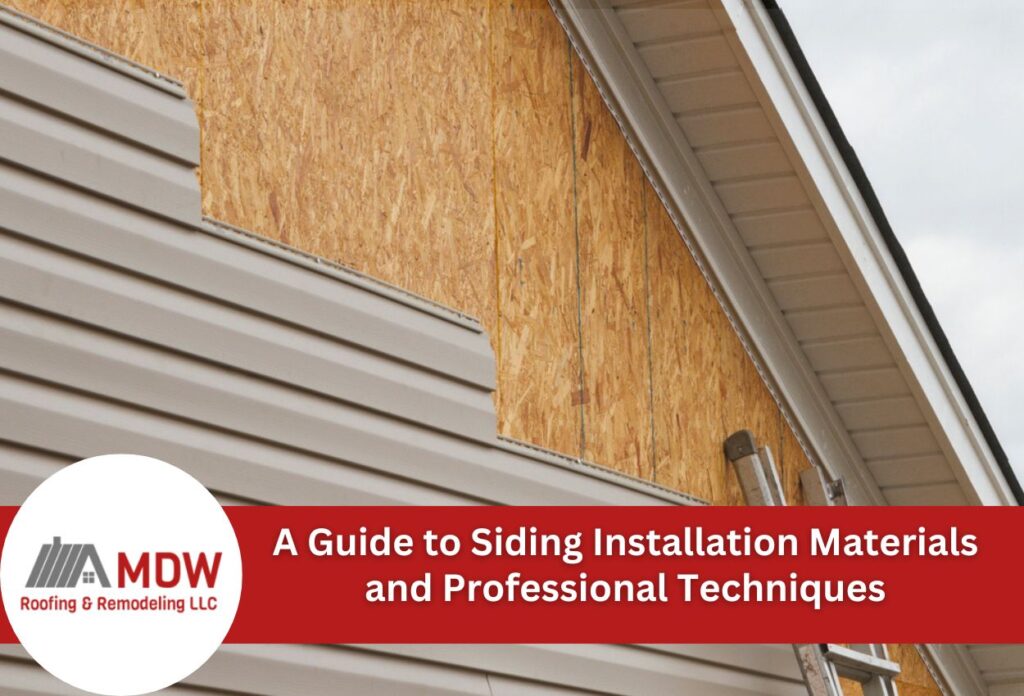

Siding installation is one of your home’s first lines of defense against the elements, making it one of the most critical exterior improvements you can undertake. Houston’s unique climate presents specific challenges that make proper siding installation essential for protecting your investment. The combination of high humidity, intense summer heat, and potential storm damage requires materials and installation techniques that can withstand these tough conditions.
Professional siding installation differs significantly from DIY approaches in both technique and long-term results. While homeowners might consider tackling this project themselves, the complexity of modern siding installation tools and techniques often makes professional installation the smarter choice. Proper installation ensures your siding performs well for decades while maintaining your home’s energy efficiency and curb appeal.
Several exterior siding materials dominate today’s market, each offering distinct advantages. Vinyl siding installation is a popular option because of its affordability and low maintenance requirements. Fiber-cement siding has gained momentum among homeowners seeking durability and fire resistance. Understanding these materials and their installation requirements helps homeowners make informed decisions about their exterior renovation projects.
Modern siding installation techniques have evolved considerably, incorporating advanced moisture barriers, improved fastening systems, and precise measurement methods that ensure lasting performance and weather protection.
Essential Tools and Equipment for Successful Siding Installation
Proper siding installation requires specific tools that ensure precision, efficiency, and professional-quality results. The right equipment makes the difference between an installation that lasts decades and one that fails prematurely due to the use of improper techniques or inadequate preparation.
Basic hand tools form the foundation of any siding project. A quality hammer provides essential fastening capabilities, while a reliable level ensures straight, professional-looking installation lines. Chalk lines create accurate reference points across long wall sections, preventing the wavy appearance that often plagues amateur installations. Measuring tools, including tape measures and squares, guarantee proper spacing and alignment throughout the project. These fundamental siding installation tools contribute directly to the structural integrity and visual appeal of the finished work.
Power tools and specialized equipment significantly improve installation speed and accuracy. Circular saws equipped with appropriate blades cut vinyl siding materials cleanly without cracking or splintering. Pneumatic nail guns deliver consistent fastening pressure and spacing, crucial for fiber-cement siding installation, where over-driving can compromise material integrity. Specialized siding removal tools facilitate efficient replacement projects without damaging surrounding materials.
Professional-grade equipment also includes safety gear such as scaffolding systems and fall protection equipment. These tools enable safe access to upper wall sections while maintaining the stability needed for precise installation work. Quality siding installation techniques depend heavily on having proper equipment that supports both safety and accuracy throughout the entire project.
Vinyl Siding Installation Process and Best Practices
Proper vinyl siding installation begins with thorough surface preparation and accurate measurements. The existing walls must be clean, level, and properly weatherproofed before any panels are installed. The installation of a house wrap or moisture barrier should also be considered, as it provides additional protection against leaks.
Starting strips establish the foundation for the entire installation. These horizontal guides must be perfectly level to prevent wavy panel alignment up the wall. Each vinyl panel interlocks with the previous row, creating a weatherproof barrier when installed correctly. Proper fastening techniques require nails to be driven straight but not over-tightened, allowing panels to expand and contract with temperature changes.
Window and door installations require special attention to detail. J-channel trim pieces frame these openings and provide clean finishing edges. Corner posts and trim pieces must be installed before hanging the main panels, creating the framework that supports the entire siding system.
Common installation mistakes include over-tightening fasteners and failing to account for thermal expansion. Houston’s temperature fluctuations demand specific siding installation techniques that allow materials to move naturally. Proper nail placement in the center of slots prevents buckling and warping. Professional installers understand these critical details that separate successful vinyl siding installation from problematic installations that require premature replacement or extensive repairs.
Fiber-Cement Siding Installation Methods and Considerations
Fiber-cement siding installation requires specialized techniques that differ significantly from vinyl siding installation methods. This durable material demands precise handling and cutting procedures to achieve the best results. Professional installers use carbide-tipped blades and dust collection systems when cutting fiber cement, as the material produces silica dust that requires proper safety precautions. Clean, straight cuts prevent edge damage that can compromise the material’s weather resistance and structural integrity.
Fastener placement becomes critical with fiber-cement materials due to their density and weight. Pre-drilling holes prevents cracking, particularly near panel edges where stress occurs. Stainless steel or galvanized nails must go through the framing adequately while avoiding over-penetration that weakens the connection. Proper spacing between fasteners distributes loads evenly across each panel, preventing stress-related failures over time.
Houston’s humid climate creates specific curing requirements for fiber-cement siding installation. High moisture levels can extend drying times for caulking and primer applications. Professional siding installation techniques account for these conditions by scheduling work during optimal weather windows and allowing adequate cure time between installation steps. Temperature fluctuations also require expansion joints at specific intervals to accommodate material movement without causing panel damage.
The handling procedures for fiber cement need careful attention throughout the installation process. The material’s weight requires proper lifting techniques and an adequate crew size for safe installation. On-site storage must protect panels from moisture while maintaining accessibility for efficient workflow during installation phases.
The Right Exterior Siding Material for Your Home
Each type of material offers distinct advantages and challenges that must align with specific project requirements and environmental conditions.
Vinyl siding installation provides excellent value for homeowners seeking low-maintenance exterior solutions. This lightweight material resists moisture, insects, and rot while offering decades of reliable performance. However, extreme heat can cause expansion issues, and impact damage may require individual panel replacement. Vinyl works well for traditional home styles and provides consistent color retention without regular painting requirements.
A fiber-cement siding installation can deliver superior durability and fire resistance compared to other materials. This engineered product withstands harsh weather conditions, including high winds and hail damage common in Texas. The material accepts paint well and maintains its appearance longer than wood alternatives. However, fiber cement requires more complex siding installation techniques and specialized cutting equipment, making professional installation essential for optimal results.
Wood siding offers a timeless appearance but needs regular maintenance to prevent moisture damage and insect infestation. Metal siding provides exceptional longevity and weather resistance while offering modern architectural styling options.
Budget considerations must balance initial material costs against long-term maintenance requirements. Local building codes may specify certain materials or installation standards that influence material selection. Home architectural style should complement chosen siding materials to maintain property value and neighborhood compatibility.
Professional Installation Techniques That Ensure Long-Lasting Results
The success of a professional siding installation depends on meticulous preparation methods that create the foundation for decades of reliable performance. Proper house wrap installation provides an important moisture barrier that protects structural components from leaks. The house wrap must be installed with overlapping seams and properly sealed with tape to create a continuous barrier. Window and door openings require careful flashing details that direct water away from vulnerable areas while maintaining the integrity of the overall moisture management system.
Advanced siding installation techniques become essential when addressing challenging architectural features. Corner installations demand precise measurements and specialized trim pieces that maintain weatherproof seals while creating clean visual transitions. Professional installers understand how different exterior siding materials behave around corners, ensuring proper expansion allowances and secure fastening that prevents future separation or buckling.
Siding panels must terminate properly against window trim, door frames, and roof lines without creating gaps that allow water to get in. These transition areas often determine the overall success of the installation project, as improper detailing frequently leads to moisture problems and premature material failure.
Roof transitions present particular challenges that separate professional installations from amateur attempts. Proper flashing installation at these intersections prevents ice dam formation and wind-driven rain infiltration. The combination of appropriate siding installation tools and experienced technique ensures these critical areas perform reliably through Houston’s varied weather conditions while maintaining the structural integrity essential for long-term protection.
When to Hire Professionals and When to DIY
Determining whether to tackle siding installation as a DIY project or hire professional contractors depends on a few important factors that can impact safety and long-term results. Complex architectural features present the most compelling reason to choose professional installation over DIY approaches. Multi-story homes, intricate rooflines, and detailed trim work require specialized siding installation techniques that amateur installers often struggle to execute properly.
Safety concerns should drive the decision-making process for most homeowners. Professional siding installation involves working at significant heights, using scaffolding systems, and specialized equipment to reduce the risk of falls from ladders. This type of accident is a leading cause of serious home injury, so professional installation is a wise investment for upper-story work. The pros possess the proper safety training and insurance coverage that protects both workers and property owners throughout the installation process.
Warranty considerations often favor professional installation over DIY approaches. Many exterior siding materials include manufacturer warranties. Vinyl siding installation warranties typically become void when homeowners attempt DIY installation without proper certification. Fiber-cement siding installation carries similar warranty restrictions that protect manufacturers from improper installation claims.
Professional contractors bring specialized siding installation tools and years of experience that ensure consistent, high-quality results. They understand local building codes, permit requirements, and inspection procedures that DIY installers often overlook. Timeline expectations also differ significantly, as professionals complete installations efficiently while maintaining quality standards that untrained homeowners struggle to achieve within reasonable timeframes.
Expert Siding Installation Services in Houston
Choosing the right professionals for your siding installation in Houston can make all the difference in protecting your home from the unique challenges posed by the local climate. At MDW Roofing & Remodeling LLC, we specialize in both vinyl and fiber-cement siding installations, tailored to withstand Houston’s humidity and frequent storms.
Don’t compromise on the quality of your home’s exterior. Opt for MDW Roofing & Remodeling LLC, where we provide precision in every step of the siding installation process. Call us today at (832) 766-9994 to schedule a consultation and start transforming the look and durability of your home with top-tier siding solutions.