
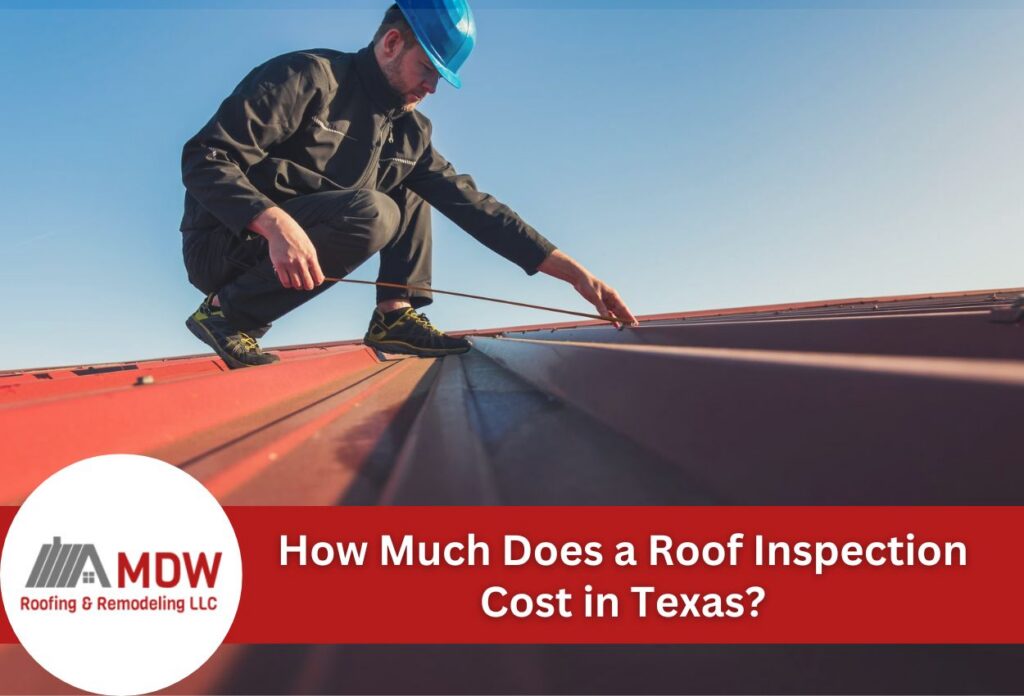

Homeowners across Texas face unique roofing challenges from intense summer heat, severe storms, and occasional hail damage that can compromise the roof’s structural integrity. Understanding the financial investment required for professional roof inspection services in Texas helps property owners make informed decisions about protecting one of their home’s most important components. A residential roof inspection cost varies based on several factors, including roof size, accessibility, age of the structure, and regional market rates throughout the state.
Professional roof inspections serve as preventive maintenance that identifies minor issues before they escalate into expensive repairs or premature replacement. Texas homeowners who schedule regular assessments with qualified roof inspectors can extend the lifespan of their roofing systems and avoid unexpected financial burdens. The decision to invest in a thorough roof evaluation pays dividends by catching problems early, documenting roof condition for insurance purposes, and providing peace of mind that the home remains protected from the elements. Knowing when to get a roof inspection and what influences pricing helps homeowners budget appropriately for this essential service.
What Factors Influence the Price of Your Roof Inspection
Several important elements determine what homeowners pay when scheduling professional roof inspection services in Texas. The size of the roof stands as the most obvious factor, as larger surface areas require more time to examine thoroughly. Steep pitch complexity creates additional challenges that increase inspection duration and difficulty. Accessibility issues, such as multiple stories or obstacles blocking roof access, also impact pricing structures.
The age and material type of the roofing system play significant roles in determining inspection costs. Older roofs or those constructed with specialized materials often require more detailed examination to assess their condition accurately. When to get a roof inspection often depends on these factors, as aging systems benefit from more frequent professional evaluations.
The scale of residential roof inspection services directly affects pricing. Basic visual assessments from ground level or ladder access typically cost less than full examinations. Advanced inspection techniques, including thermal imaging for moisture detection and drone technology for hard-to-reach areas, command higher fees but provide more detailed analysis of potential problems affecting the roofing system’s performance and longevity.
Types of Roof Inspections Available to Texas Homeowners
Professional roof inspection services in Texas come in several distinct formats, each designed to address different needs and circumstances. A basic visual inspection represents the most straightforward option, where inspectors examine the roof from ground level and accessible areas to identify obvious problems like missing shingles or visible damage. This type typically works well for routine maintenance checks on newer roofing systems.
A standard walk-through inspection involves physically accessing the surface of the roof to conduct a more thorough examination of materials, flashing, gaps, and drainage systems. These residential roof inspection assessments provide detailed findings about the current condition and remaining lifespan of roofing components. Many homeowners schedule this level when determining when to get a roof inspection before storm season or after severe weather.
The most option includes advanced diagnostic tools such as thermal imaging cameras that detect hidden leaks and infrared technology that reveals insulation deficiencies. These detailed evaluations generate extensive reports with photographic documentation, measurement data, and prioritized repair recommendations. Insurance companies and real estate transactions often require this level of documentation, making it essential for property transfers or claims processes throughout Texas.
The Best Timing for Scheduling Your Roof Inspection
Determining when to get a roof inspection depends on both routine maintenance schedules and specific triggering events that warrant immediate professional assessment. Most roofing professionals recommend scheduling residential roof inspection services at least once annually, with ideal timing in spring or fall when weather conditions allow a thorough examination without extreme heat or winter complications. Properties with older roofing systems benefit from biannual evaluations to monitor deterioration and plan for eventual replacement.
Severe weather creates urgent circumstances requiring quick attention from professional roof inspection services in Texas. High winds, hailstorms, and heavy rainfall can cause immediate damage that compromises structural integrity, making post-storm assessments essential for identifying problems before they get worse. Real estate transactions represent another serious situation where buyers should schedule evaluations before finalizing purchases, ensuring they understand the true condition and potential expenses associated with the roofing system.
Strategic timing of inspections helps property owners address minor issues before they escalate into emergency situations requiring expensive repairs. Catching small problems like damaged flashing or isolated shingle deterioration during routine assessments prevents water intrusion and structural damage that develops when issues go undetected, ultimately extending the roof’s functional lifespan and protecting the investment.
The Professional Roof Inspection Process Explained
The professional roof inspection begins when homeowners contact a roofing company to schedule an appointment, typically providing basic information about their property, roof age, and any concerns they’ve observed. Most roof inspection services in Texas offer flexible scheduling to accommodate property owners’ availability, with many companies providing same-day or next-day service for urgent situations. Upon arrival, the inspector conducts a brief consultation to understand specific concerns and gather relevant history about previous repairs or known issues.
During the on-site evaluation, the inspector systematically examines important roofing components, including shingles or other surface materials, flashing around chimneys and vents, gutters and drainage systems, attic ventilation, and signs of moisture intrusion or structural damage. The residential roof inspection typically requires 45 minutes to 2 hours, depending on roof size and complexity. Inspectors document findings through detailed photographs and notes, paying particular attention to areas showing wear, damage, or potential failure points that could compromise the system’s performance.
Following the physical examination, property owners receive full documentation including a written report summarizing the roof’s overall condition, high-resolution photographs highlighting specific concerns, detailed descriptions of any identified problems, and prioritized recommendations for necessary repairs or maintenance. This thorough documentation from professional roof inspection services provides homeowners with clear information to make informed decisions about addressing issues and planning for future roofing needs.
Finding a Qualified Roof Inspector in Your Area
Locating reputable roof inspection services in Texas requires research into credentials, experience, and professional standing within the industry. Homeowners should verify that inspectors hold appropriate licenses required by Texas law and maintain current liability insurance to protect property owners from potential claims. Professional certifications from organizations like the National Roofing Contractors Association or specialized training in specific roofing materials demonstrate commitment to industry standards and continuing education that keeps inspectors current with evolving techniques and materials.
Online reviews and ratings provide valuable insight into customer experiences with residential roof inspection providers. Property owners benefit from checking multiple sources, including Google reviews, Better Business Bureau ratings, and local community forums where homeowners share experiences. Requesting references from recent clients allows direct conversation about service quality, professionalism, and follow-through on recommendations.
Before committing to a professional roof inspection, homeowners should ask specific questions about the scale of services included, what documentation will be provided, turnaround time for receiving the final report, and whether the inspector has experience with their particular roof type and age. Comparing proposals from multiple providers helps identify differences in thoroughness and value beyond simple price comparison.
Maximizing Your Investment in Regular Roof Assessments
Routine professional roof inspection services in Texas deliver substantial long-term financial advantages that extend far beyond the immediate evaluation. Regular assessments actively extend roofing system longevity by identifying minor deterioration before it progresses into major structural damage requiring expensive intervention. Early detection of issues like compromised flashing, damaged underlayment, or inadequate ventilation allows property owners to address problems through manageable repairs rather than facing premature replacement of the entire system. This proactive approach maintains property value by ensuring the roof remains in the best condition, which becomes particularly important when refinancing or selling the home.
Insurance carriers and warranty providers frequently require documented evidence of proper maintenance to honor claims and coverage agreements. Consistent residential roof inspection records demonstrate responsible property stewardship that satisfies these requirements, protecting homeowners from potential claim denials due to neglect. Incorporating inspection expenses into annual home maintenance budgets transforms roof care from an unexpected financial burden into a manageable, predictable investment. Property owners who understand that periodic evaluations represent essential protection rather than optional spending develop maintenance strategies that preserve their investment while avoiding emergency situations that disrupt household finances and daily living.
Protect Your Investment with MDW Roofing & Remodeling LLC
Understanding how much a roof inspection costs in Texas can help you budget effectively and avoid unexpected expenses. Regular roof assessments are important for maintaining the structural integrity of your home and can save you from expensive future repairs. At MDW Roofing & Remodeling LLC, we offer roof inspection services tailored to meet your specific needs and ensure your roof is in top condition.
Visit our website at https://www.mdwroofingandremodeling.com/ or call us directly at (832) 766-9994 to learn more about our services and to book an inspection at your convenience.