
Roof repairs in Houston become necessary when specific damage symptoms appear signaling compromised waterproofing, structural integrity, or material deterioration requiring professional intervention before conditions worsen. Common warning signs include interior water stains (indicating active leaks), missing or damaged shingles (exposing underlayment to weather), sagging roof sections (suggesting structural damage or water accumulation), granule loss in gutters (revealing advanced shingle aging), flashing separation around chimneys and vents (creating leak pathways), visible daylight through attic boards (indicating holes or gaps), mold growth on interior surfaces (showing persistent moisture problems), unexplained energy bill increases (from compromised insulation or ventilation), ceiling discoloration or bubbling paint (demonstrating water infiltration), cracked or curling shingles (signaling thermal damage or age-related deterioration), debris-clogged gutters causing overflow (preventing proper drainage), and storm damage from hail or wind (requiring immediate assessment).
Ignoring these repair indicators transforms minor $300-$800 fixes into major $8,000-$15,000 roof replacements within months as water infiltration accelerates structural wood rot, insulation saturation, mold colonization, and progressive material failure. Houston’s challenging climate—featuring intense summer heat exceeding 95°F for 100+ days annually, hurricane threats producing 130+ mph winds, torrential rainfall averaging 53 inches yearly, and persistent 70-90% humidity fostering biological growth—amplifies damage progression making prompt repair response critical for protecting home value and preventing exponential cost escalation.
This comprehensive guide details each major repair warning sign, explains damage progression timelines, provides repair cost comparisons versus replacement scenarios, and outlines decision frameworks helping Houston homeowners determine repair urgency levels and contractor selection criteria ensuring proper fixes extending roof lifespan while minimizing long-term maintenance expenses.
Understanding Roof Repair Warning Signs
Houston homeowners must recognize repair indicators early because the city’s subtropical climate accelerates minor damage into major failures faster than moderate climates. A small leak allowing 1-2 gallons water entry per rainfall event seems manageable initially, but Houston’s 100+ annual rain days means 100-200 gallons infiltrating roof structure yearly causing exponential deterioration.
Why early detection matters:
- Small repairs cost $300-$800 versus $8,000-$15,000 replacements (10-20× cost difference)
- Damage progression accelerates exponentially—doubling repair costs every 6-12 months delayed
- Insurance coverage better for sudden damage versus gradual deterioration from neglect
- Property value protected through proper maintenance versus 5-15% depreciation from visible damage
- Interior damage prevention saves $2,000-$8,000 in ceiling, wall, and flooring restoration
The National Roofing Contractors Association emphasizes that proactive maintenance and prompt repairs extend roof lifespan 30-50% versus reactive replacement approaches, making vigilant monitoring the most cost-effective roofing strategy.
Critical Interior Warning Signs
Water Stains and Ceiling Discoloration
Water stains appearing on ceilings or walls represent the most obvious roof leak indicator requiring immediate professional assessment. These stains typically manifest as brown or yellowish discoloration with defined edges marking water intrusion points, though active leaks may show spreading wet areas during rainfall.
Stain appearance and meaning:
| Stain Characteristic | Typical Cause | Urgency Level | Typical Repair Cost | Delay Consequences |
|---|---|---|---|---|
| Small circular stain (6-12 inches) | Plumbing vent flashing failure | Moderate (repair within 2-4 weeks) | $300-$600 | Attic insulation damage, wood rot begins |
| Linear stain along ceiling seam | Valley or ridge leak | High (repair within 1-2 weeks) | $400-$900 | Structural beam exposure, ceiling collapse risk |
| Large spreading stain (24+ inches) | Major flashing failure or shingle damage | Critical (repair within days) | $600-$1,500 | Mold growth, electrical hazard, extensive interior damage |
| Multiple scattered stains | Widespread shingle deterioration | Critical (may need replacement) | $8,000-$15,000 | Deck rot, insulation saturation, interior destruction |
| Dark stain with fuzzy edges | Long-term leak with mold | Critical (immediate action) | $800-$2,000 repair + $1,500-$5,000 mold remediation | Health hazards, structural compromise |
Water stains never improve without repair—they only expand as additional moisture accumulates with each rainfall. Even if stains appear dry between storms, moisture remains trapped in insulation and wood framing promoting mold growth and progressive rot invisible from interior inspection.
Attic Moisture and Mold Indicators
Attic inspection reveals early leak signs before interior damage becomes visible, making periodic attic checks valuable preventive measures. Houston’s high humidity requires distinguishing condensation (ventilation problem) from active leaks (roof penetration).
Attic warning signs:
- Damp or dark wood rafters indicating water absorption
- Musty odor suggesting mold colonization on hidden surfaces
- Visible mold or mildew growth on wood framing or insulation
- Water droplets or frost on nails penetrating roof deck (condensation issue)
- Compressed or darkened insulation showing moisture saturation
- Light visible through roof boards indicating holes or gaps requiring sealing
The Environmental Protection Agency identifies moisture control as critical for preventing mold growth, with attics being primary moisture accumulation areas in humid climates like Houston where inadequate ventilation combines with roof leaks creating ideal mold conditions.
Exterior Damage Symptoms
Missing, Cracked, or Damaged Shingles
Shingle damage represents the most visually obvious exterior repair indicator, ranging from minor cosmetic issues to serious waterproofing failures requiring immediate attention. Houston’s intense sun accelerates shingle deterioration making regular visual inspections essential.
Shingle damage types:
- Missing shingles – Complete shingle absence exposing underlayment or deck to direct weather
- Cracked shingles – Fractures through shingle body compromising waterproofing integrity
- Curling edges – Shingle edges lifting or curling from thermal stress or age-related adhesive failure
- Blistering – Bubbles or raised areas indicating moisture trapped within shingle layers
- Granule loss – Bare spots showing exposed asphalt surface vulnerable to UV damage
- Torn shingles – Wind damage creating partial shingle detachment with flapping sections
Houston wind patterns make southwestern roof slopes particularly vulnerable to shingle damage, as prevailing Gulf breezes combined with afternoon thunderstorm winds stress these exposures. Properties with large trees experience additional damage from falling branches and abrasive contact during wind events.
Granule Accumulation in Gutters
Asphalt shingle granules serve as primary UV protection preventing direct sunlight from degrading underlying asphalt binder. As shingles age, granules gradually dislodge collecting in gutters and downspouts—normal aging produces light granule shedding while heavy accumulation indicates accelerated deterioration.
Granule loss assessment:
| Granule Amount in Gutters | Roof Age | Condition Indication | Action Required | Remaining Lifespan |
|---|---|---|---|---|
| Light dusting after storms | 0-5 years | Normal new roof shedding | Monitor annually | 15-20 years |
| Thin layer (1/8 inch) accumulated | 5-10 years | Normal aging progression | Schedule inspection | 8-12 years |
| Heavy accumulation (1/4+ inch) | 10-15 years | Accelerated wear | Plan replacement within 2-3 years | 2-5 years |
| Continuous heavy shedding | Any age | UV damage or defective product | Immediate inspection, possible replacement | 0-2 years |
| Bare asphalt spots visible on shingles | 15+ years | End of service life | Schedule replacement immediately | Replacement overdue |
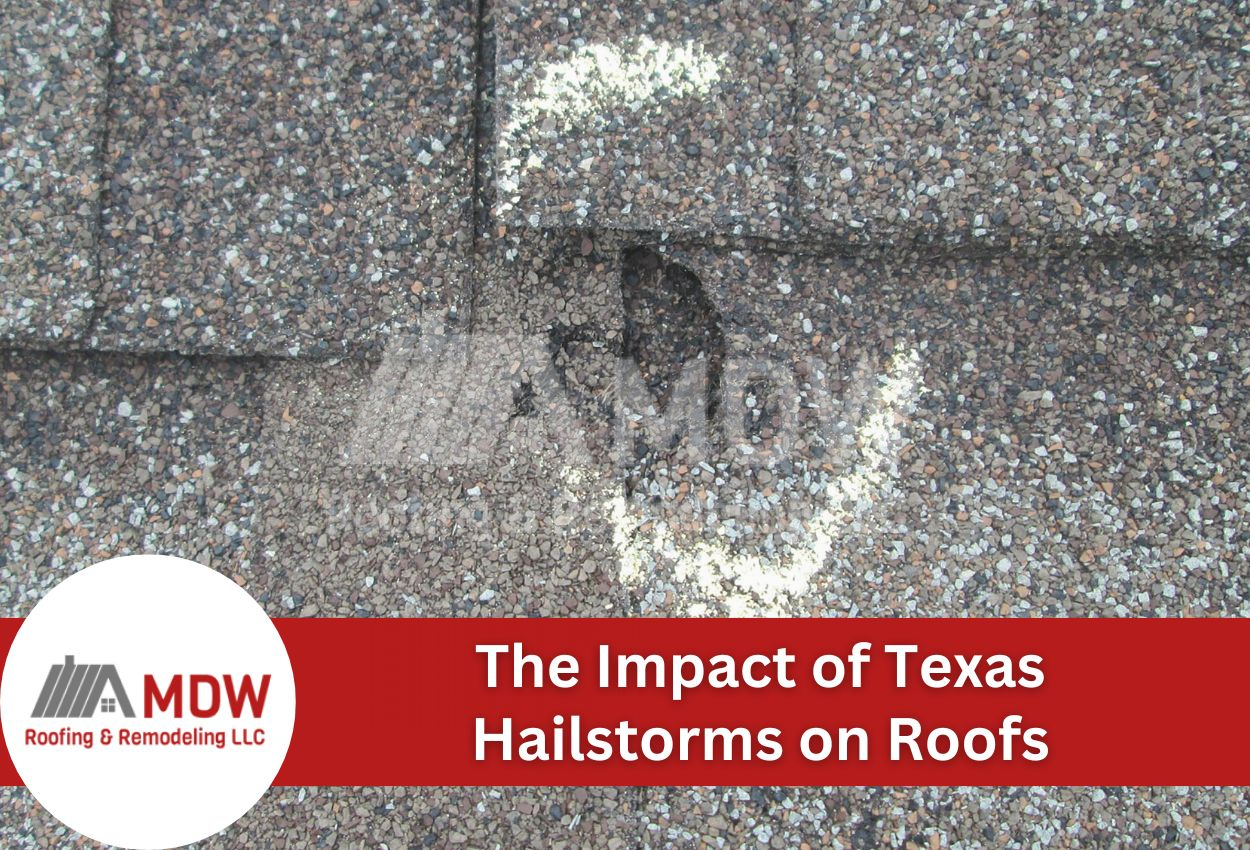
Excessive granule loss after major storms may indicate hail damage—impact forces dislodge granules from shingle surfaces leaving circular marks or dimples. This damage often qualifies for insurance coverage if documented within policy time limits (typically 1 year from storm date).
Flashing Failures and Separations
Flashing—metal strips sealing roof penetrations and transitions—represents roofs’ most vulnerable waterproofing element. Proper flashing installation requires precise technique with sealed laps and secure mechanical attachment; even minor gaps create direct water entry pathways bypassing shingle protection.
Common flashing failure locations:
- Chimney base – Most common residential leak location from mortar deterioration or sealant failure
- Plumbing vents – Rubber boot deterioration from UV exposure causing cracks around pipe penetration
- Roof-wall intersections – Step flashing separation from wall allowing water behind siding
- Skylights – Improper installation or sealant aging creating gaps in skylight curb flashing
- Valleys – Metal valley flashing separation or corrosion particularly at downslope end
- Dormer transitions – Complex flashing details prone to installation defects
Houston’s temperature extremes cause expansion/contraction cycles stressing flashing connections, while UV exposure deteriorates sealants requiring periodic resealing as preventive maintenance. Professional roof inspections should examine all flashing locations documenting condition and recommending proactive resealing before leaks develop.
Structural Warning Signs
Sagging Roof Sections
Sagging roof areas indicate serious structural concerns requiring immediate professional evaluation—never ignore visible roof depression as this signals potential deck failure, rafter damage, or truss problems that could progress to collapse. Sagging develops from multiple causes demanding different repair approaches.
Sagging causes and solutions:
- Water damage – Prolonged leaks saturating roof deck causing wood deterioration and strength loss (requires deck replacement $3-$5/sq ft)
- Insufficient support – Undersized rafters or inadequate trusses deflecting under normal roof loads (requires structural reinforcement $5,000-$15,000)
- Snow/ice loading – While rare in Houston, occasional winter storms can overload roofs designed for minimal snow loads
- Age-related settlement – Gradual compression of structural members over decades (may require full replacement)
- Foundation movement – Soil settlement or expansive clay soil issues causing roof structure misalignment
Any visible sagging warrants immediate contractor evaluation even if leaks aren’t apparent—structural failures create catastrophic risks including roof collapse potentially causing injuries and extensive property damage. Most homeowners insurance policies cover sudden structural failures but may exclude gradual deterioration from deferred maintenance.
Visible Daylight Through Roof Boards
Light visible through attic roof boards indicates holes, gaps, or separation in roof structure creating direct water entry points during rainfall. This condition develops from various causes ranging from storm damage to animal intrusion to installation defects.
Light penetration causes:
- Storm-damaged shingles blown off exposing underlayment then degrading from weather exposure
- Animal damage from raccoons, squirrels, or birds creating entry holes
- Rotted roof deck developing holes from prolonged water exposure
- Poor installation leaving gaps in roof sheathing
- Missing ridge vent components or improperly installed ventilation
Immediate professional evaluation determines whether simple patching suffices or more extensive repairs become necessary. Temporary emergency tarping prevents additional water damage while permanent repairs are arranged, particularly important during Houston’s rainy seasons when multiple storm days compound damage rapidly.
Storm Damage Recognition
Hail Impact Indicators
Houston experiences damaging hail 15-20 days yearly averaging 0.75-1.5 inch diameter, with larger 1.75-2.75 inch hailstones occurring in severe thunderstorms causing substantial property damage requiring professional assessment and potential insurance claims.
Hail damage characteristics by material:
| Roofing Material | Damage Appearance | Detection Method | Functional Impact | Repair Approach |
|---|---|---|---|---|
| Asphalt shingles | Dark spots where granules dislodged, soft spongy areas when pressed | Visual inspection, feel for soft spots | Accelerated UV degradation, premature aging | Individual shingle replacement or full replacement if widespread |
| Metal roofing | Visible dents or dimples, paint damage at impact points | Visual inspection from ground or roof | Usually cosmetic unless dents compromise water shedding | Typically cosmetic, replacement if functional damage |
| Tile roofing | Cracked or broken tiles, chipped edges | Walking roof surface (carefully), binoculars from ground | Broken tiles allow water penetration | Individual tile replacement, underlayment assessment |
| Flat roofs (membrane) | Punctures, tears, impact dimples in soft spots | Professional inspection with core samples | Immediate leak risk from punctures | Patch repairs or membrane replacement depending on severity |
Following significant hail events, schedule professional inspection within 7-14 days documenting damage for insurance claims. Many carriers offer 1-year claim windows from storm date, though prompt documentation protects coverage eligibility and prevents disputes over damage timing.
Wind Damage Assessment
Hurricane-force winds (74+ mph) and severe thunderstorm straight-line winds (60+ mph) occurring frequently in Houston area cause immediate visible damage plus hidden compromises requiring professional evaluation before assuming roof integrity remains intact.
Wind damage patterns:
- Lifted or missing shingles particularly on southwest-facing slopes receiving strongest wind exposure
- Torn underlayment visible where shingles removed completely
- Debris impact damage from flying tree limbs, patio furniture, or building materials
- Loose or missing flashing lifted by wind pressure
- Bent or damaged soffit panels and fascia boards
- Detached gutters or downspouts pulled from mounting brackets
Post-storm visual inspection from ground level using binoculars identifies obvious damage, though comprehensive professional inspection reveals hidden compromises like loosened nails, cracked sealant bonds, or stressed flashing connections that fail months later during normal weather creating confusion about damage timing for insurance purposes.
Performance-Based Warning Signs
Unexplained Energy Bill Increases
Rising heating or cooling costs without corresponding rate increases or usage changes may indicate roof insulation problems, ventilation failures, or air leakage allowing conditioned air escaping through roof envelope. Houston’s cooling-dominant climate makes summer bill increases particularly noticeable.
Energy-related roof issues:
- Wet insulation losing R-value from roof leaks (wet fiberglass insulation loses 50-80% effectiveness)
- Compressed insulation from roof leaks or improper installation reducing thermal resistance
- Inadequate attic ventilation causing heat accumulation requiring excessive air conditioning
- Air leakage through unsealed penetrations allowing conditioned air escaping to attic
- Missing or damaged insulation leaving areas with minimal thermal protection
Professional energy audits using thermal imaging cameras identify heat loss patterns revealing roof-related inefficiencies before visible damage appears, enabling proactive repairs maintaining energy performance while preventing progressive deterioration.
Poor Drainage and Water Accumulation
Gutters overflowing during rainfall or standing water visible on roof sections after storms indicate drainage problems requiring correction before water-related damage develops. Houston’s intense 4-8 inch per hour rainfall rates during thunderstorms demand properly sized, maintained drainage systems.
Drainage problem indicators:
- Water cascading over gutter edges during rain (undersized gutters or clogged with debris)
- Staining on fascia boards below gutters (chronic overflow from blockages)
- Foundation erosion or water pooling near house (inadequate downspout extension)
- Standing water on flat or low-slope roofs 48+ hours after rainfall (ponding areas)
- Ice dams forming during rare winter freezes (inadequate insulation or ventilation)
Gutter maintenance including quarterly cleaning and proper sizing for Houston’s rainfall intensity prevents 40-50% of water-related roof damage according to roofing industry studies, making this the most cost-effective preventive measure averaging $150-$300 annually versus $1,000-$5,000 water damage repairs.
Repair vs. Replacement Decision Framework
Cost Comparison Analysis
Understanding repair costs versus full replacement helps homeowners make informed financial decisions balancing immediate expense against long-term value, remaining roof lifespan, and total cost of ownership over expected residence duration.
Repair cost ranges by damage type:
| Repair Type | Typical Cost | Time to Complete | Lifespan Extension | When Appropriate |
|---|---|---|---|---|
| Minor shingle replacement | $300-$800 | 2-4 hours | 5-8 years | Isolated damage, roof age <15 years |
| Flashing repair/replacement | $400-$1,200 | 3-6 hours | 8-12 years | Localized leak, good overall condition |
| Valley repair | $600-$1,500 | 4-8 hours | 10-15 years | Valley failure, roof otherwise sound |
| Multiple leak repairs | $800-$2,500 | 1-2 days | 3-7 years | Scattered damage, roof age 10-15 years |
| Partial section replacement | $2,000-$5,000 | 2-4 days | 10-15 years | Isolated severe damage, rest of roof good |
| Full roof replacement | $8,000-$15,000 | 3-7 days | 20-25 years | Multiple problems, roof age >18 years |
The “50% rule” suggests if repair costs exceed 50% of replacement cost, full replacement typically provides better long-term value. Additionally, roofs older than 15 years with multiple repair needs often warrant replacement rather than incremental repairs that merely delay inevitable replacement while accumulating costs approaching full replacement pricing.
Age and Condition Assessment
Roof age critically influences repair versus replacement decisions—older roofs near end of expected service life (15-20 years for asphalt shingles in Houston) benefit minimally from repairs that extend lifespan only 2-3 additional years before replacement becomes unavoidable.
Age-based decision matrix:
- 0-8 years – Repair almost always appropriate unless catastrophic storm damage or widespread defects
- 8-12 years – Repair for isolated issues, consider replacement if multiple widespread problems
- 12-18 years – Evaluate repair costs carefully, replacement often better value if repairs exceed $3,000-$4,000
- 18+ years – Replacement typically recommended unless repairs very minor ($500 or less)
Beyond chronological age, overall condition assessment examines multiple factors: percentage of shingles showing deterioration, underlayment condition (if visible), flashing status, deck integrity, and remaining granule coverage. Roofs with 30%+ of shingles damaged generally warrant replacement rather than extensive repairs approaching replacement costs.
Choosing Professional Repair Services
Contractor Selection Criteria
Selecting qualified roofing contractors ensures proper repairs extending roof lifespan versus substandard work creating ongoing problems or voiding manufacturer warranties through improper techniques or incompatible materials.
Essential contractor qualifications:
- Valid Texas contractor license through Texas Department of Licensing and Regulation
- Minimum $1 million general liability insurance protecting property owners
- Workers compensation coverage for all crew members
- Manufacturer certifications demonstrating product knowledge and installation training
- Minimum 5+ years Houston-area experience understanding local climate challenges
- Written warranties covering workmanship minimum 2-5 years beyond material warranties
- References from recent similar projects verifying quality and professionalism
Obtain minimum three written estimates detailing specific work scope, materials specifications, warranty terms, project timeline, and payment schedule. Avoid contractors requesting large upfront deposits (>50% of project cost) or pressuring immediate signing—reputable professionals provide detailed proposals allowing informed comparison and decision time.
Red Flags Indicating Poor Contractors
Houston’s active roofing market includes numerous legitimate professionals but also problematic contractors using deceptive practices or providing substandard work. Recognizing warning signs protects homeowners from costly mistakes and legal complications.
Contractor warning signs:
- No physical business address or office location (only mobile phone contact)
- Pressure tactics demanding immediate decision or claiming “today only” pricing
- Requesting full payment upfront before starting work
- Lack of written contract detailing work scope, materials, timeline, warranties
- Unable or unwilling to provide references from recent projects
- No liability insurance or workers compensation coverage
- Offers to handle insurance claims including meeting adjuster without homeowner present
- Proposes financing through non-traditional lenders with unfavorable terms
- Suggests repairs that seem unnecessary or greatly exceed other estimates
The Better Business Bureau recommends verifying contractor credentials, checking online reviews across multiple platforms, and confirming insurance coverage directly with carriers before signing contracts or making payments. Taking time for due diligence prevents problems far exceeding small savings from questionable low-bid contractors.
Emergency Repair Situations
When to Call for Immediate Service
Certain roof damage scenarios demand immediate professional response preventing exponential damage escalation—understanding emergency versus routine repair situations helps homeowners prioritize appropriately and minimize total damage costs.
Emergency repair triggers:
- Active leaks during ongoing rainfall causing interior water intrusion
- Large exposed areas from wind damage removing multiple shingles
- Visible structural damage including sagging or collapsed sections
- Tree or debris impact creating large holes or tears in roof
- Storm damage exposing building interior to weather
- Electrical hazards from water contacting lighting fixtures or wiring
Emergency services typically cost 50-100% premium over routine repairs ($150-$300 emergency call fee plus standard repair costs), but preventing additional water damage, mold growth, and interior restoration costs ($2,000-$8,000 typical) justifies premium pricing for immediate response preventing damage escalation.
Temporary Protection Measures
While awaiting professional repairs, homeowners can implement temporary measures limiting ongoing damage during delays caused by contractor availability, material delivery, or weather conditions preventing permanent repairs.
Temporary solutions:
- Place buckets or containers collecting dripping water from ceiling leaks
- Move furniture and valuables away from active leak areas
- Use tarps weighted with boards or sandbags covering damaged roof sections
- Apply roofing cement or temporary patch materials sealing minor leaks (temporary only)
- Document damage with photos and videos for insurance purposes
- Contact insurance carrier reporting damage and beginning claims process
Avoid attempting extensive DIY repairs on steep-slope roofs (4:12 pitch or greater) or multi-story structures—fall risks from roofs represent leading residential injury causes with professional roofers having specialized safety equipment, training, and insurance coverage protecting against accident consequences.
Insurance Claims and Coverage
Understanding Roof Damage Coverage
Texas homeowners insurance typically covers sudden roof damage from storms, hail, wind, fire, and other named perils while excluding gradual deterioration from age or deferred maintenance. Understanding policy terms before damage occurs prevents claim disputes and coverage surprises.
Common coverage structures:
- Replacement cost – Pays full repair/replacement cost without depreciation (best coverage)
- Actual cash value (ACV) – Pays replacement cost minus depreciation based on roof age
- Recoverable depreciation – Initially pays ACV, releases depreciation after repairs complete
- Roof age exclusions – Some carriers limit or exclude coverage for roofs >15-20 years old
Houston’s active storm environment creates frequent claims prompting some insurers implementing roof age restrictions, higher deductibles for wind/hail claims, or requiring impact-resistant shingles for coverage. Review policy declarations annually understanding current coverage terms and limitations.
Maximizing Claim Recovery
Proper documentation and claim filing procedures maximize insurance recovery while preventing disputes over damage timing, extent, or coverage applicability. Following systematic approaches protects homeowner interests throughout claims process.
Claim filing best practices:
- Document pre-existing condition – Maintain dated photos showing roof condition before damage
- Report promptly – Notify carrier within 24-48 hours after discovering damage
- Prevent additional damage – Implement temporary protection measures documenting costs
- Photograph damage – Capture multiple angles showing all affected areas
- Obtain professional assessment – Get licensed contractor evaluation documenting damage extent
- Review adjuster findings – Ensure complete damage identified before accepting settlement
- Get written estimates – Obtain 2-3 contractor quotes ensuring fair claim valuation
- Understand depreciation – Know if/when depreciation holdback released after repairs
The Texas Department of Insurance provides consumer resources explaining claims rights, carrier obligations, and dispute resolution procedures helping policyholders navigate complex claims situations protecting their interests throughout the process.
Preventive Maintenance Strategies
Routine Inspection Schedule
Regular professional inspections identify developing problems when repairs remain minor and inexpensive versus reactive replacement approaches costing 10-20× more after damage progresses to failure. Houston’s demanding climate justifies semi-annual inspections timed around seasonal weather extremes.
Recommended inspection timing:
| Season | Timing | Inspection Focus | Reason |
|---|---|---|---|
| Spring | April-May | Winter damage, prepare for hurricane season | Identify storm damage, verify drainage before heavy rainfall |
| Fall | September-October | Summer heat damage, post-hurricane assessment | Document heat-related deterioration, assess storm impacts |
Professional inspections cost $150-$300 typically but identify 80-90% of developing problems when repairs average $300-$800 versus $8,000-$15,000 replacements resulting from undetected damage progression. The inspection investment returns 10-20× value through early problem detection preventing expensive failures.
DIY Monitoring Between Professional Inspections
Homeowners can perform basic monitoring identifying obvious damage requiring professional evaluation without roof access risks—ground-level inspection using binoculars reveals most visible damage symptoms warranting contractor assessment.
Monthly homeowner checks:
- Visual inspection from ground noting missing/damaged shingles
- Gutter examination checking for granule accumulation or debris blockage
- Interior ceiling scan looking for new stains or discoloration
- Attic inspection (if safe access exists) checking for moisture, daylight, or damage
- Storm aftermath assessment following hail, high winds, or severe weather
Never walk on steep roofs (4:12 pitch or greater) or any roof when wet, icy, or windy—professional roofers use specialized safety equipment including harnesses, rope systems, and fall protection preventing serious injuries. Houston’s afternoon summer heat also creates dangerous roof surface temperatures (140-170°F) causing burns and heat exhaustion risks during hottest months.
Taking Action on Roof Repairs
Recognizing roof repair warning signs represents the first critical step toward maintaining Houston home roofing system integrity, but taking prompt action determines whether problems remain minor manageable repairs or escalate into major expensive replacements. The decision framework outlined in this guide—evaluating damage severity, comparing repair costs against replacement value, assessing overall roof condition relative to age, and selecting qualified professional contractors—enables informed choices protecting home value while minimizing long-term roofing expenses.
Houston’s challenging climate featuring extreme heat, hurricane threats, torrential rainfall, and persistent humidity creates accelerated damage progression compared to moderate climates, making proactive monitoring and prompt repairs particularly valuable. The relatively modest investment in semi-annual professional inspections ($150-$300), routine maintenance ($200-$400 annually), and timely minor repairs ($300-$800 typical) prevents catastrophic failures requiring premature replacement ($8,000-$15,000) while extending expected roof lifespan from 12-15 years (neglected installations) to 18-22 years (properly maintained systems).
Property owners who notice any warning signs detailed throughout this guide—interior water stains, missing or damaged shingles, granule accumulation, flashing failures, sagging sections, visible light penetration, storm damage, drainage problems, or unexplained energy increases—benefit from scheduling professional evaluation determining appropriate repairs before minor issues compound into major failures. The cost difference between proactive $500 repairs and reactive $12,000 replacements justifies immediate attention to developing problems rather than hoping issues resolve themselves or remain stable.
For professional roof inspection, damage assessment, or repair services in Houston and surrounding areas, contact MDW Roofing & Remodeling.