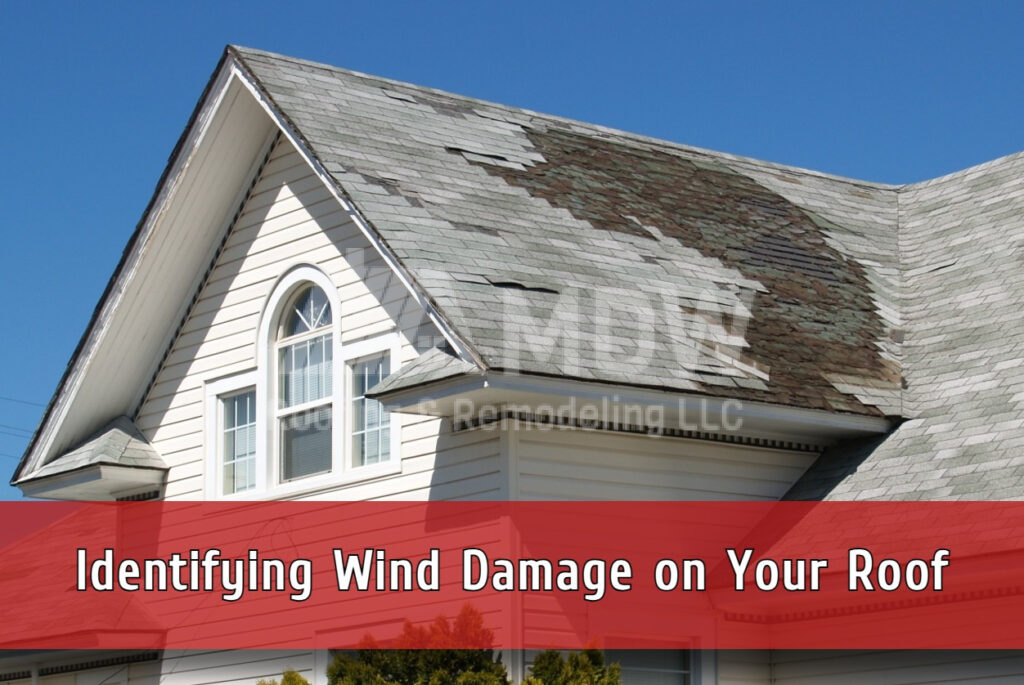
Roof wind damage in Houston manifests through visible exterior indicators (missing shingles, lifted edges, torn sections, damaged flashing, dented metal components, broken tiles, displaced ridge caps), subtle deterioration signals (granule accumulation in gutters, soft/spongy deck areas, nail pops, sealant failures), and performance problems (interior water stains, attic moisture, increased energy bills, daylight visible through roof boards) requiring systematic inspection following severe weather events. Houston’s Gulf Coast location creates frequent wind exposure from thunderstorms averaging 50-70 mph gusts, tropical storms producing 60-90 mph sustained winds, and hurricanes generating 100-130+ mph forces capable of catastrophic structural damage—these wind speeds stress roofing system components differently with moderate winds (40-60 mph) lifting poorly sealed shingles, strong winds (60-90 mph) removing properly installed materials through uplift forces, and extreme winds (90+ mph) causing structural failures including deck detachment, rafter damage, or complete roof removal.
The 10 primary roof wind damage signs:
- Missing shingles – Complete shingle absence exposing underlayment or deck to weather
- Lifted or curled shingle edges – Wind uplift breaking adhesive bonds allowing water infiltration
- Torn or ripped shingles – Partial shingle removal creating irregular tears or rips
- Creased shingles – Fold lines from wind pressure indicating weakened material integrity
- Damaged flashing – Bent, separated, or missing flashing around chimneys, vents, or walls
- Granule loss – Bare spots on shingles or heavy granule accumulation in gutters
- Loose or displaced materials – Shingles slipped out of position or partially detached
- Dented or damaged metal – Impact marks on flashing, vents, or metal roofing panels
- Broken or cracked tiles – Fractured concrete or clay tiles from wind-driven debris
- Ridge cap damage – Displaced or missing ridge shingles along roof peaks
Prompt damage assessment within 24-72 hours following wind events enables temporary protection measures preventing secondary water damage ($2,000-$10,000 typical interior restoration costs), documentation supporting insurance claims (required within policy time limits typically 1 year from damage date), and professional repair scheduling before contractor shortages develop during widespread storm impacts. This comprehensive guide details wind damage recognition by material type, systematic inspection procedures including safety protocols, wind speed impact thresholds, repair versus replacement economics, insurance claim documentation requirements, and contractor selection criteria ensuring quality repairs restoring waterproofing integrity and structural performance.
Understanding Wind Damage Mechanisms
Wind affects roofing systems through three primary mechanisms—uplift forces attempting to peel materials from substrate, direct impact from wind-driven debris creating punctures or fractures, and differential pressure zones creating localized stress concentrations particularly at roof edges, corners, and discontinuities where geometric transitions amplify wind effects.
Wind force physics:
| Wind Speed Range | Pressure (psf) | Primary Damage Mechanism | Houston Frequency | Typical Damage |
|---|---|---|---|---|
| 40-60 mph (Thunderstorms) | 6-14 psf | Uplift on poorly sealed shingles | Multiple events monthly Apr-Oct | Lifted edges, minor displacement |
| 60-74 mph (Severe storms) | 14-22 psf | Shingle removal, fastener stress | 5-10 events annually | Missing shingles, flashing damage |
| 74-95 mph (Category 1 hurricane) | 22-36 psf | Widespread material removal | Every 5-10 years | Extensive shingle loss, structural concern |
| 96-110 mph (Category 2) | 36-48 psf | Roof deck exposure, structural damage | Every 10-20 years | Partial roof failure, interior exposure |
| 111-130 mph (Category 3) | 49-67 psf | Major structural failures | Every 20-50 years | Complete sections removed, rebuilding required |
| 130+ mph (Category 4-5) | 67+ psf | Catastrophic failure | Rare (Hurricane Harvey 2017) | Total roof loss, home uninhabitable |
The Insurance Institute for Business & Home Safety emphasizes that wind damage initiates at roof perimeters and corners where air flow acceleration creates pressure differentials 2-3× higher than central roof areas—homeowners inspecting for damage should prioritize these vulnerable zones recognizing that damage patterns radiating from edges toward centers indicate wind forces rather than aging or installation defects affecting roofs uniformly.
Material-Specific Wind Damage Recognition
Different roofing materials exhibit distinct wind damage patterns enabling accurate diagnosis distinguishing wind-specific problems from general aging, installation defects, or other deterioration causes requiring different repair approaches.
Asphalt Shingle Wind Damage
Asphalt shingles dominate Houston residential roofing (80%+ market share) due to moderate cost and adequate performance but demonstrate specific wind vulnerability patterns related to adhesive bond strength, fastener holding power, and material flexibility.
Asphalt shingle wind indicators:
- Tab blow-off – Individual shingle tabs completely removed while adjacent tabs remain attached (indicates sealant failure between shingle layers)
- Creasing – Horizontal fold lines across shingles from extreme wind pressure bending materials backward
- Lifted corners – Shingle corners raised but not removed showing broken adhesive bonds (precursor to complete removal in next wind event)
- Torn sections – Irregular rips through shingle body rather than clean removal at joints (indicates extreme forces exceeding material tensile strength)
- Exposed fasteners – Nails visible where shingles removed revealing improper installation with insufficient overlap coverage
- Granule stripping – Bare spots on upwind slopes where wind-driven rain abraded protective granule coating
- Curled edges – Shingle edges turned upward from repeated wind lifting cycles weakening adhesive bonds
Wind-damaged shingle patterns differ from aging deterioration showing random distribution concentrated on windward exposures (typically southwest-facing in Houston prevailing wind patterns) versus uniform wear across all roof planes. Multiple shingles missing in concentrated areas indicate wind removal, while scattered individual shingle losses suggest fastener corrosion or installation defects unrelated to wind.
Metal Roofing Wind Damage
Metal roofing—including standing seam panels, corrugated sheets, and metal shingles—provides superior wind resistance (rated 110-180 mph depending on attachment system) but exhibits different failure modes than asphalt alternatives requiring specialized assessment.
Metal roof wind indicators:
- Fastener pullout – Screws or clips extracted from deck leaving holes or panel displacement (exposed fastener systems particularly vulnerable)
- Panel separation – Seam failures on standing seam systems where clips released or panel interlocks separated
- Oil-canning – Wave patterns or dimples in flat panel surfaces from localized suction forces
- Bent panel edges – Flange deformation at panel perimeters from uplift attempts
- Torn panels – Metal fractures or tears at fastener locations where material failed before fastener released
- Sealant loss – Missing butyl tape or sealant at panel overlaps allowing water infiltration
- Dented surfaces – Impact marks from hail or wind-driven debris (may be cosmetic or indicate deeper damage)
Metal roof damage assessment requires understanding installation method—concealed fastener standing seam systems (clips attaching panels to deck) demonstrate different failure patterns than exposed fastener corrugated systems (screws through panels into substrate), with concealed systems typically outlasting exposed alternatives by 15-20 years in wind performance.
Tile Roofing Wind Damage
Concrete and clay tile roofing provides excellent wind resistance when properly installed (rated 110-150+ mph) but demonstrates brittle failure patterns from impact rather than gradual deterioration typical of asphalt shingles.
Tile roof wind indicators:
- Broken tiles – Fractures or complete breaks particularly at nose sections receiving highest wind pressures
- Displaced tiles – Tiles shifted out of position from uplift forces though not completely removed
- Missing tiles – Complete tile removal exposing underlayment (serious concern requiring immediate temporary protection)
- Cracked corners – Diagonal cracks at tile corners from concentrated stress points
- Lifted field tiles – Center roof tiles raised from substrate indicating inadequate fastening or adhesive failure
- Damaged battens – Wood strips supporting tiles damaged or removed by wind forces
- Underlayment exposure – Visible felt or synthetic membrane through tile gaps (emergency requiring immediate attention)
Tile damage often results from wind-driven debris impact rather than direct wind force—a single broken tile from branch impact may require replacing 10-15 surrounding tiles for proper water management and aesthetic matching, making seemingly minor visible damage translate into significant repair costs ($1,500-$4,000 typical for localized tile section replacement).
Systematic Wind Damage Inspection Protocol
Effective wind damage assessment requires methodical exterior and interior examination following documented procedures enabling comprehensive evaluation while maintaining inspector safety and supporting insurance claim documentation requirements.
Safety-First Ground-Level Assessment
Begin inspections from ground level using binoculars or telephoto camera lenses identifying obvious damage without roof access risks—many indicators visible from ground providing sufficient information determining whether professional evaluation warranted.
Ground-level inspection checklist:
- Walk complete property perimeter examining all roof planes visible from ground
- Check yard and ground areas for fallen shingles, metal pieces, or tile fragments
- Inspect gutters for excessive granule accumulation or backed-up debris blocking drainage
- Examine fascia boards and soffits for water staining indicating leak locations
- Look for damaged or missing ridge caps along roof peaks and hips
- Note any sagging roof sections or obvious structural deformation
- Check flashing around chimneys and wall intersections for separation or damage
- Document findings with dated photographs from multiple angles supporting insurance claims
Ground inspection limitations include inability to see low-slope roof areas, inspect sealant integrity at close range, or detect subtle lifting without physical examination—homeowners identifying potential damage from ground should schedule professional roof-access inspection rather than attempting unsafe climbing on potentially compromised structures.
Professional Roof-Access Inspection
When ground-level assessment reveals potential damage or following significant wind events (60+ mph reported), professional roof-access inspection provides detailed evaluation determining repair scope and cost estimates.
Roof-access inspection procedure:
- Safety equipment setup – Ladder stabilization, fall protection harnesses, slip-resistant footwear
- Walking pattern planning – Systematic grid coverage avoiding walking on damaged areas
- Shingle examination – Check each shingle for lifting, creasing, tears, or missing sections
- Fastener verification – Probe shingles checking secure attachment without excessive lifting
- Flashing inspection – Examine all penetration flashings, valleys, and transition details for separation
- Underlayment assessment – In damaged areas, verify underlayment integrity beneath compromised shingles
- Deck evaluation – Check for soft spots, movement, or moisture indicating structural damage
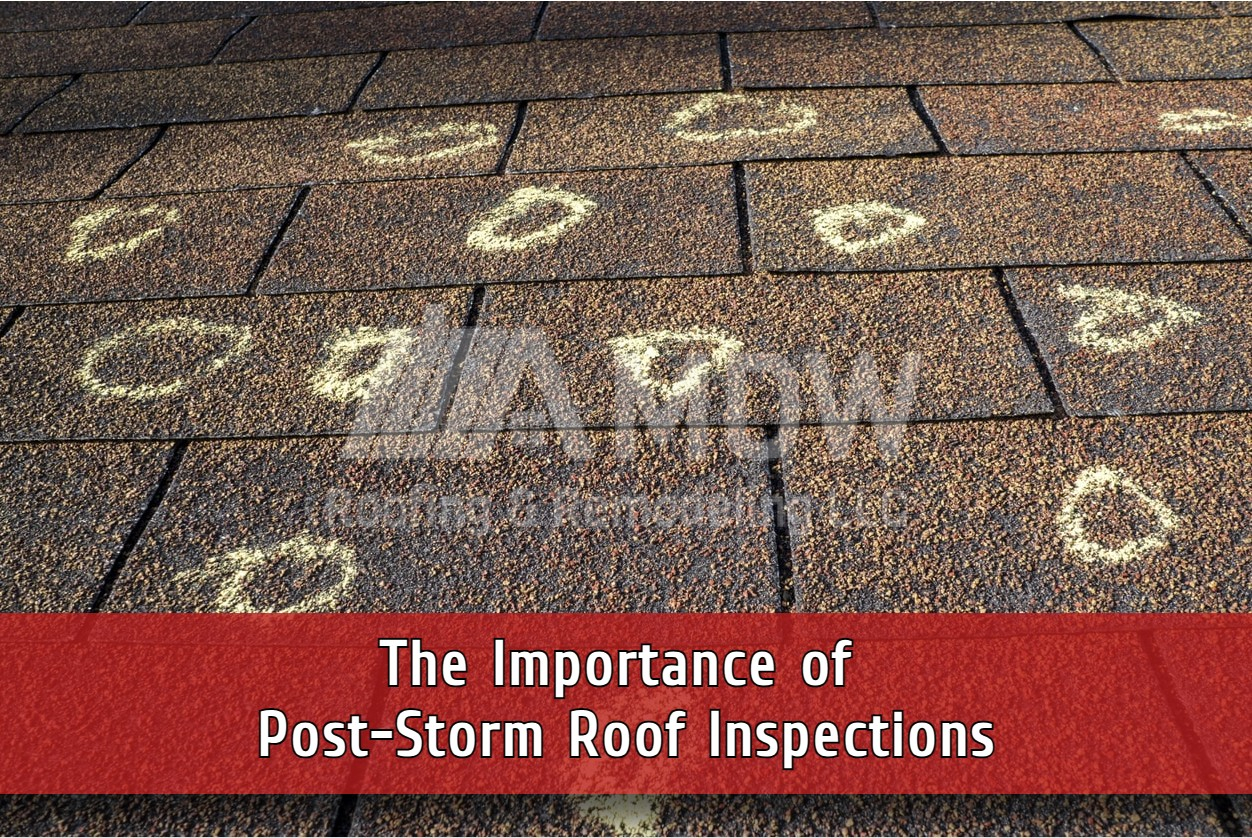
- Documentation – Photograph all damage from multiple angles noting locations for repair planning
Professional inspectors use moisture meters detecting water infiltration invisible to visual examination, thermal imaging cameras identifying wet insulation or air leakage, and specialized tools testing fastener holding strength quantifying wind resistance of remaining intact materials providing comprehensive assessment supporting repair specifications.
Wind Damage Versus Normal Aging Differentiation
Accurate damage diagnosis distinguishes wind-specific problems requiring immediate repair from gradual aging warranting maintenance or eventual replacement—this distinction critically affects insurance coverage as policies cover sudden wind damage while excluding gradual wear from deferred maintenance.
Wind damage characteristics:
- Random pattern distribution – Damage concentrated in specific areas (windward exposures, roof corners) rather than uniform across entire roof
- Sudden onset timing – Damage appearing immediately after identifiable wind events versus progressive deterioration over months/years
- Clean break patterns – Shingles torn or removed with sharp edges versus rounded wear or cracking
- Directional consistency – Damage aligned with known wind direction (southwest typical in Houston) rather than scattered randomly
- Adjacent area contrast – Severely damaged sections immediately adjacent to undamaged areas rather than gradual transition zones
Normal aging characteristics:
- Uniform distribution – Similar deterioration level across all roof planes regardless of orientation
- Progressive timeline – Gradually worsening condition over months/years without sudden changes
- Rounded deterioration – Curled edges, cracked shingles, or granule loss showing smooth worn patterns
- Age correlation – Condition consistent with roof age (15+ year roofs showing aging typical)
- Multiple symptom types – Combination of curling, cracking, granule loss, and brittleness rather than single damage type
Insurance adjusters trained to distinguish wind damage from aging—homeowners claiming wind damage should document pre-storm condition through dated photographs, maintenance records, and prior inspection reports supporting sudden damage claims versus gradual wear exclusions common in denied claims.
Repair Cost Analysis and Decision Framework
Wind damage repair costs vary dramatically based on damage extent, material type, roof complexity, and timing (emergency repairs commanding 30-50% premiums versus planned maintenance pricing).
Typical Wind Damage Repair Costs
| Damage Extent | Typical Repair | Cost Range | Timeline | Insurance Coverage Likelihood |
|---|---|---|---|---|
| Minor (<10% affected) | Individual shingle replacement, flashing repair | $300-$1,500 | 2-4 hours | High if documented wind event |
| Moderate (10-30% affected) | Multiple section repairs, extensive flashing work | $1,500-$5,000 | 1-2 days | High with proper documentation |
| Significant (30-60% affected) | Large area replacement, structural repairs | $5,000-$12,000 | 2-5 days | Moderate, may require coverage negotiation |
| Severe (60%+ affected) | Partial or complete roof replacement | $10,000-$25,000+ | 5-10 days | Variable, depends on policy terms |
| Emergency temporary | Tarping, emergency waterproofing | $500-$2,500 | 2-6 hours | Usually covered if storm-related |
Repair versus replacement decision factors:
- Damage percentage – Repairs economical <30% affected area; replacement often better value >50% affected
- Roof age – Older roofs (>75% expected lifespan) warrant replacement even with moderate damage
- Material availability – Discontinued shingles requiring full replacement for color matching
- Insurance coverage – Full replacement coverage may favor complete replacement over piecemeal repairs
- Property plans – Long-term ownership (10+ years) favors investment in complete replacement
- Warranty considerations – Partial repairs may void remaining manufacturer warranties on older installations
The “40% rule” suggests when wind damage affects 40%+ of roof area, complete replacement typically provides superior long-term value through uniform condition, full warranty coverage, and elimination of aged undamaged sections likely failing within 3-5 years requiring additional future expense.
Insurance Claims for Wind Damage
Navigating insurance claims for wind damage requires understanding coverage structures, documentation requirements, claim filing procedures, and negotiation strategies maximizing recovery while preventing denials or underpayment disputes.
Coverage Types and Limitations
Texas homeowners policies typically cover sudden wind damage as named peril under dwelling coverage, though specific terms, deductibles, and exclusions vary significantly between carriers affecting net homeowner recovery.
Common policy structures:
- Wind/hail deductible – Separate higher deductible (typically 1-5% of dwelling coverage) than all-peril deductible ($500-$2,500 typical)
- Actual cash value (ACV) – Pays replacement cost minus depreciation requiring homeowners fund depreciation gap upfront
- Replacement cost – Pays full replacement expense without depreciation (best coverage, higher premiums)
- Recoverable depreciation – Initially pays ACV, releases depreciation after repairs complete with documentation
- Cosmetic damage exclusions – Some policies exclude purely cosmetic damage (dents, surface marking) without functional impairment
Texas coastal windstorm considerations:
Properties in 14-county coastal wind pool area (including portions of Harris County) may have separate windstorm coverage through Texas Windstorm Insurance Association (TWIA) with different deductibles, coverage limits, and claim procedures than standard homeowners policies—policyholders should verify whether wind damage falls under homeowners or TWIA coverage determining proper claim filing procedures.
Effective Claim Documentation
Proper documentation substantiates damage claims enabling accurate adjuster assessment while preventing disputes over damage extent, causation, or repair costs.
Documentation checklist:
- Pre-storm condition evidence – Previous inspection reports, photographs, or maintenance records showing pre-damage condition
- Storm documentation – National Weather Service reports, news coverage, or weather station data confirming wind event timing and intensity
- Damage photographs – Multiple angles of each damaged area including close-ups and wide shots showing context
- Video walkthrough – Comprehensive property tour documenting all visible damage with narration
- Professional inspection report – Licensed contractor assessment detailing damage extent and recommended repairs
- Repair estimates – Detailed quotes from 2-3 contractors specifying work scope and material costs
- Temporary protection receipts – Invoices for emergency tarping or temporary repairs preventing additional damage
Insurance carriers require claim filing within reasonable time (typically days to weeks) after damage discovery with formal policy time limits (often 1 year from damage date) for claim submission—delayed reporting may trigger coverage disputes or denials requiring homeowners document why delays occurred protecting claim validity.
Claim Negotiation Strategies
Insurance adjusters assess damage and determine coverage, though homeowners retain rights to dispute inadequate settlements, request re-inspection, or hire public adjusters representing policyholder interests in complex claims.
Settlement negotiation approaches:
- Understand policy terms – Review dwelling coverage limits, deductibles, depreciation schedules before adjuster meeting
- Accompany adjuster inspection – Walk roof with adjuster identifying all damage ensuring comprehensive assessment
- Compare estimates – Obtain independent contractor estimates comparing against adjuster valuations
- Document disputes – Photograph any damage adjuster dismisses or undervalues creating record for appeals
- Request detailed explanation – Require written justification for any damage exclusions or reduced valuations
- Consider public adjuster – For claims >$15,000 or involving coverage disputes, public adjusters (earning 10-15% of settlement) may increase recovery
- Invoke appraisal process – Texas policies typically include binding appraisal procedures resolving valuation disputes
The Texas Department of Insurance provides consumer resources explaining claims rights, complaint procedures, and dispute resolution options helping policyholders navigate complex claims protecting their coverage entitlements throughout process.
Preventive Measures and Wind Resistance Enhancement
Proactive measures enhance roof wind resistance reducing damage severity during future storms while potentially qualifying for insurance discounts (5-30% premium reductions typical for certified wind-resistant installations).
Wind resistance improvements:
- Impact-resistant shingles – Class 4 (UL 2218) shingles meeting impact standards providing superior wind performance (110-130 mph ratings vs. 60-90 mph standard)
- Enhanced fastening – Six nails per shingle versus four standard, or specialty fasteners providing increased holding power
- Sealed shingles – Factory-applied adhesive strips or field-applied roofing cement bonding shingle layers
- Hurricane straps – Metal connectors linking roof framing to walls preventing uplift separation during extreme winds
- Reinforced deck – Upgrading from 7/16″ OSB to 5/8″ plywood or adding deck fasteners improving structural integrity
- Proper ventilation – Balanced intake/exhaust ventilation reducing interior pressure differentials driving uplift forces
Fort tin Building Code and Texas Windstorm Inspection Program establish wind-resistant construction standards for new construction and renovations—properties meeting enhanced standards may qualify for insurance discounts offsetting upgrade costs within 5-10 years through premium savings while providing superior storm protection.
Professional Assessment Timing
Homeowners should schedule professional wind damage assessment following specific triggers ensuring timely problem identification, proper repairs, and insurance claim validity.
Professional inspection triggers:
- Immediately after severe weather – Winds >60 mph, nearby property damage, or fallen tree limbs
- Visible damage indicators – Any of 10 primary signs identified through ground-level examination
- Interior moisture problems – New ceiling stains, attic dampness, or mold growth following storms
- Age milestones – Roofs >15 years old following any significant wind event regardless of visible damage
- Insurance requirements – Some policies require professional post-storm inspection within specific timeframes
- Pre-season evaluation – April inspections before hurricane season identifying vulnerable areas warranting preventive repair
Storm damage assessment typically costs $150-$400 for comprehensive inspection though many contractors provide free inspections when repair work authorized, making professional evaluation accessible even when immediate damage unclear.
Taking Action on Wind Damage
Houston homeowners identifying wind damage indicators—missing shingles, lifted edges, flashing separation, granule accumulation, or interior moisture—following thunderstorms, tropical storms, or hurricanes benefit from immediate temporary protection measures preventing secondary water damage while scheduling professional assessment determining comprehensive repair requirements and insurance claim viability.
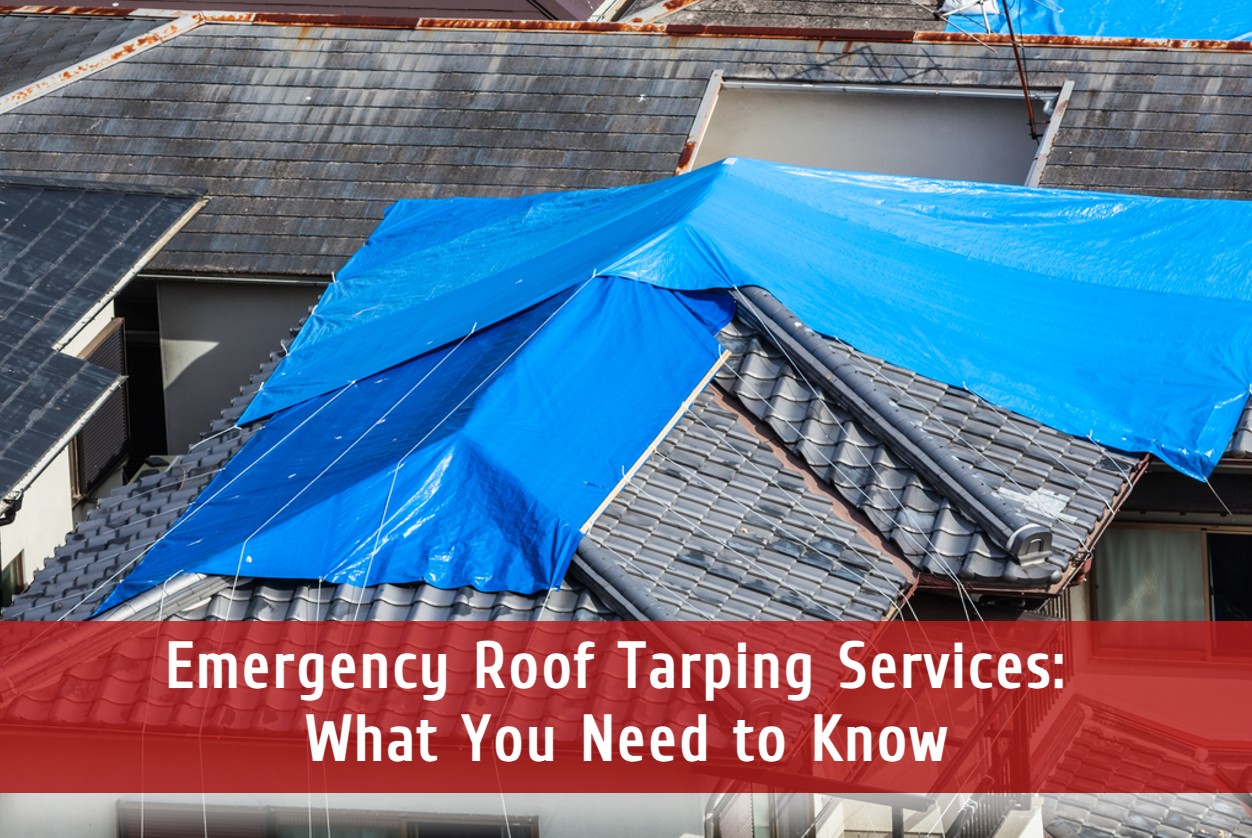
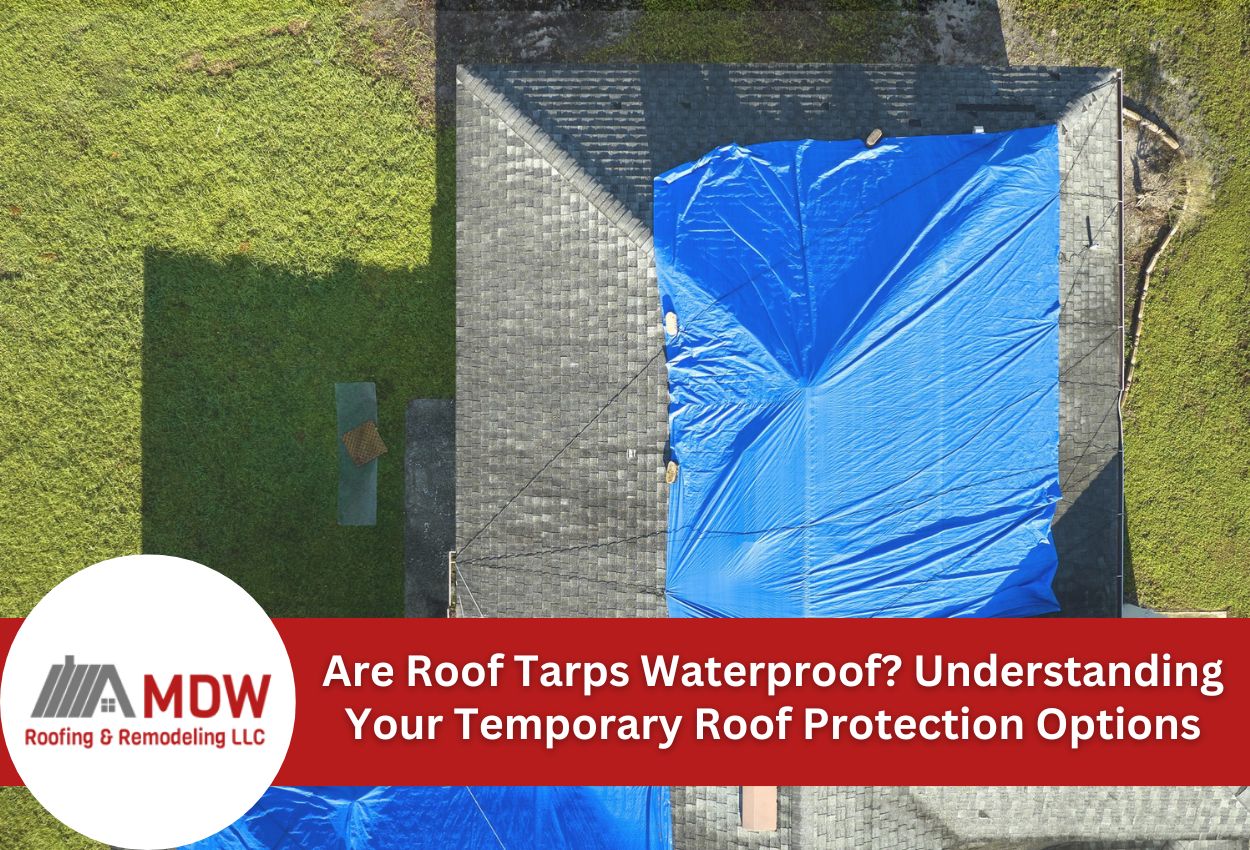
Wind force thresholds affecting Houston roofs vary by installation quality and age—well-maintained newer roofs withstand 70-90 mph winds with minimal damage while older installations (15+ years) or improperly installed systems experience failures at 50-60 mph creating post-storm assessment importance regardless of visible damage confirming system integrity before next weather event. Prompt professional inspection within 24-72 hours following significant wind events enables temporary tarping ($500-$2,500), damage documentation supporting insurance claims, and repair scheduling before contractor shortages develop during widespread storm impacts affecting pricing and availability.
Insurance claim timing proves critical—Texas homeowners policies typically require damage reporting within days to weeks following discovery with formal claim filing deadlines (commonly 1 year from damage date) affecting coverage validity. Proper documentation including pre-storm condition evidence, weather reports confirming wind event timing/intensity, comprehensive damage photographs, and professional inspection reports substantiates claims enabling accurate adjuster assessment while preventing common denial causes including gradual wear misattribution, inadequate damage documentation, or claim filing deadline violations.
Repair versus replacement economics depend on damage extent (repairs economical <30% affected area, replacement often better >50%), roof age (older roofs >75% expected lifespan warrant replacement even with moderate damage), and insurance coverage structures (full replacement cost policies may favor complete replacement over partial repairs). The “40% rule” provides guidance—wind damage affecting 40%+ of roof area typically justifies complete replacement through uniform condition restoration, full warranty coverage, and elimination of aged undamaged sections likely failing within 3-5 years requiring additional expense.
Homeowners recognizing wind damage signs or experiencing significant weather events (60+ mph reported winds, nearby storm damage, or concerning post-storm observations) should prioritize professional assessment over DIY evaluation given safety risks from potentially compromised roof structures, documentation requirements supporting insurance claims, and specialized expertise required accurately diagnosing damage extent and repair requirements ensuring complete waterproofing restoration and structural integrity.
For professional wind damage assessment, emergency repairs, and insurance claim support in Houston and surrounding areas, contact MDW Roofing & Remodeling.