
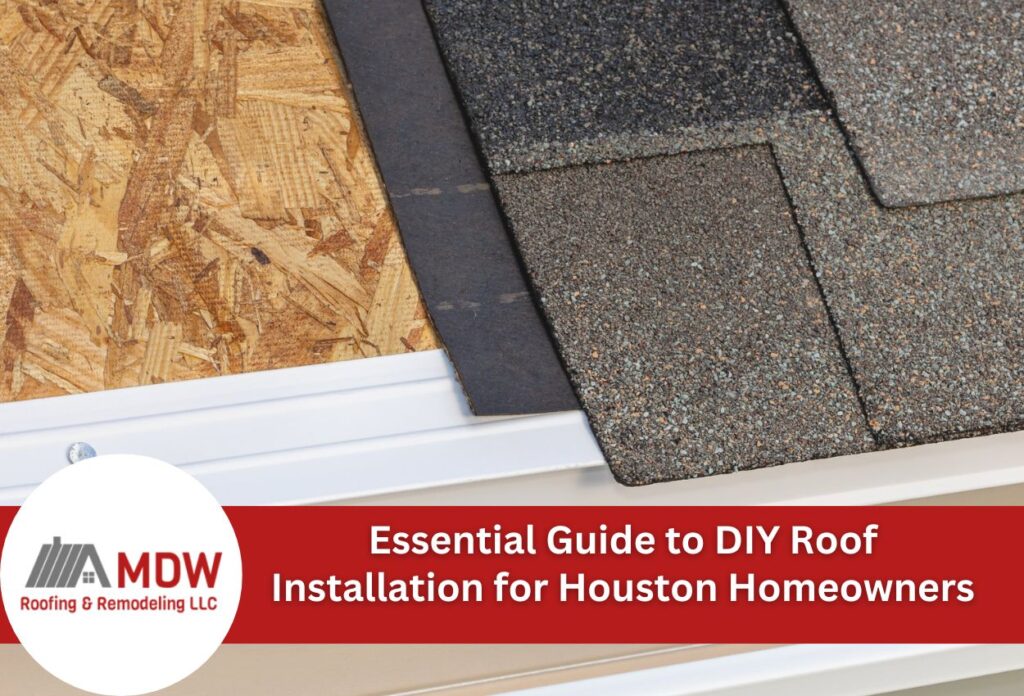

Installing a roof requires careful planning, proper tools and equipment, and an understanding of when DIY approaches work and when professional expertise becomes necessary. Houston homeowners face unique challenges, including intense heat, sudden storms, and specific building code requirements that impact roof installation decisions.
Successful roof installation depends on mastering several critical phases: the preparation of the roof deck, selecting appropriate materials, proper shingle installation techniques, and correct flashing installation. Each step builds upon the previous work and requires attention to safety protocols throughout the entire process.
The timeline for a complete roof installation typically spans several weeks, depending on the roof’s complexity and size, weather conditions, and the experience level of whoever is working on the project. Safety considerations include proper ladder usage, fall protection equipment, and recognizing structural issues that require professional assessment.
Gathering the Right Materials and Supplies for a Roof Installation
Proper roof installation and materials selection are the baseline of any successful roofing project. Essential materials include shingles, underlayment, roofing nails, drip edge, and ridge caps. Calculate shingle quantities by measuring the square footage of the roof and adding 10% for waste and cuts. Underlayment requirements depend on the roof’s pitch, with steeper slopes needing fewer overlapping layers.
Quality roofing tools and equipment include a hammer or nail gun, utility knife, chalk line, measuring tape, and safety harnesses. Specialty items like an ice and water shield, plumbing boots, and step flashing address specific installation needs around roof gaps and edges.
Material significantly impacts performance and longevity. Architectural shingles offer superior wind resistance compared to 3-tab varieties, while synthetic underlayment provides better moisture protection than traditional felt paper.
Accurate material calculations prevent project delays and excess costs. Measure roof sections separately, account for waste factors, and order materials simultaneously to ensure color matching and availability. Quality roof installation materials support proper shingle installation techniques and complement thorough roof dec preparation for the best results.
Essential Roofing Tools and Equipment for Safe Installation
Proper roofing tools and equipment ensure both safety and installation quality throughout the roof installation process. Essential safety equipment includes fall protection harnesses, non-slip boots, hard hats, and safety glasses.
Cutting tools like utility knives with hook blades, tin snips for metal flashing, and circular saws for decking modifications are extremely important but should be handled with care. Installation hardware includes roofing hammers, nail guns, chalk lines, and measuring tapes for accurate spacing. Each tool contributes to precise shingle alignment and proper fastener placement.
Quality roofing tools and equipment support effective roof deck preparation and enable proper handling of roof installation materials. Investment in appropriate tools ensures professional-grade results while maintaining worker safety throughout the installation process.
Preparing and Inspecting the Foundation of Your Roof Deck
Roof deck preparation begins with the complete removal of existing roofing materials down to the deck’s surface. This process reveals underlying conditions and potential structural issues that could compromise a new roof installation. Systematic removal prevents damage to reusable decking boards while exposing areas requiring repair or replacement.
Structural assessment involves inspecting each decking board for rot, warping, or loose fasteners that can affect the stability of an installation. Check for proper spacing between boards, adequate thickness for chosen roof installation materials, and secure attachment to underlying rafters. Damaged sections require immediate replacement with matching lumber specifications to maintain consistent surface levels.
Decking repairs include replacing rotted boards, refastening loose sections, and filling gaps that exceed the manufacturer’s specifications. New decking boards must align flush with existing surfaces to prevent shingle installation problems.
Installing Underlayment and Creating Weather Barriers
Proper underlayment installation creates the critical moisture barrier that protects the roofing system from leaks during severe weather. Begin underlayment application at the lowest roof edge, rolling horizontally across the entire eave line. Each row requires a minimum of a 4-inch overlap with the previous course, while end joints need 6-inch overlaps to prevent leaks.
Fastening patterns vary by underlayment type and roof pitch. Felt underlayment uses roofing nails spaced every 6 inches along edges and 12 inches in field areas. Synthetic underlayment often features printed fastening guides that ensure consistent nail placement. Cap nails or plastic washers provide superior holding power in high-wind areas compared to standard roofing nails.
Ice and water barriers require installation in vulnerable areas, including eaves, valleys, and roof gaps. Apply a self-adhering membrane that extends at least 24 inches beyond the interior wall lines at the eaves. Valley applications need ice barrier coverage extending 6 inches up each roof slope from valley centerlines. Gap areas, including vents, chimneys, and pipes, require barrier coverage that extends 12 inches beyond the opening perimeters.
Quality weather barrier installation prevents moisture damage and supports effective shingle installation techniques while complementing proper roof flashing installation around critical transition areas.
Shingle Installation Techniques
Proper shingle installation techniques begin with establishing an accurate chalk line reference for the first course of material. Measure up from the edge of the eave to account for standard shingle exposure, then snap horizontal chalk lines across the entire roof section. Additional vertical chalk lines help maintain straight columns, particularly on longer roof runs where minor alignment errors add up quickly.
Starting the first course requires precise overhang measurements at both eave and rake edges. Position starter shingles with a ¾ inch overhang beyond the drip edge, ensuring consistent spacing across the entire eave line. The first course of shingles is installed directly over starter strips with identical overhang dimensions. Proper nail placement depends on the manufacturer’s specifications and should be followed to avoid winduplift or potential leaks.
Advanced installation methods maintain consistent 5-inch exposure between courses while managing roof features like vents and chimneys. Each successive course requires a half-tab offset from the previous row, creating proper water-shedding patterns. Around gaps, carefully measure and cut shingles to fit snugly against flashing without creating gaps that allow leaks to form.
Maintaining straight installation lines requires frequent chalk lines and consistent exposure measurements. Quality shingle installation techniques ensure proper overlap ratios and support effective roof flashing installation around complex roof transitions and gaps.
Installing Flashing and Final Weatherproofing Details
Critical roof flashing installation begins around all roof gaps, valleys, and wall transitions where different materials meet. Step flashing installation along sidewalls requires individual pieces bent at 90-degree angles, with each piece extending under shingles and up wall surfaces. Install step flashing pieces with each shingle course, overlapping the previous pieces by a minimum of 2 inches to create continuous water barriers.
Valley flashing requires precise measurement and cutting techniques to channel water effectively toward gutters. Install valley underlayment first, followed by metal flashing centered in valley channels. Shingle cuts along valley edges require chalk line guides to maintain a consistent 3-inch clearance from valley centerlines, and any cuts should be sealed with roofing cement to prevent leaks.
Vent gaps need rubber boot flashing that conforms tightly around the diameter of the pipe. Position boot flanges under upper shingles and over lower courses, securing with roofing nails around flange perimeters. Chimney flashing combines base flashing, step flashing along the sides, and back pan flashing to create complete water protection systems.
Final inspection verifies proper flashing installation, adequate sealant application, and secure fastener placement throughout all weatherproofing details. Check for exposed nail heads, gaps in flashing coverage, and proper shingle alignment around all roof transitions to ensure long-term weather protection performance.
Need Professional Roofing in Houston? Contact MDW Roofing & Remodeling LLC
While DIY roof installation can be a rewarding project, the complexity and risks involved often require professional expertise, especially in adhering to Houston’s building codes and handling severe weather considerations. If you’re unsure about taking on this substantial task by yourself, or if safety and quality are your top priorities, MDW Roofing & Remodeling LLC is here to help.
Call us today at (832) 766-9994 to ensure your roof is installed correctly and efficiently, guaranteeing long-term protection and peace of mind.