Commercial Roof Replacement Cost: Understanding Your Investment
Key Points:
- Commercial roof replacement costs vary significantly, primarily driven by roof size, material choice, and existing structural needs.
- Key cost drivers include material selection, drainage design, insulation requirements, roof accessibility, and building code compliance.
- Accurate budgeting requires detailed contractor estimates and planning for structural repairs, drainage work, permits, and potential business disruption.
Commercial roof replacement is a major expense for property owners, with costs influenced by several practical factors. Understanding these commercial roof replacement factors helps business owners develop realistic budgets and avoid unexpected financial surprises during their roofing projects.
Commercial roofing costs involve more than square footage alone. Building size, roof accessibility, structural requirements, and material selection all play important roles in determining final project expenses. Flat roof replacement pricing differs substantially from pitched roofing systems, while commercial roof installation timeline requirements can impact labor costs and business operations.
Property managers who recognize the signs that you need commercial roof replacement early can often plan more effectively for this major investment. Weather damage, persistent leaks, membrane deterioration, and energy efficiency decline all signal the need for replacement rather than continued repairs. Effective budgeting requires understanding the full scale of the project and the factors that influence total cost.
Important Factors That Impact Your Commercial Roofing Investment
Several key elements significantly influence commercial roof replacement factors and overall project expenses. Roof size directly affects material quantities and labor hours, while building height and accessibility challenges can increase installation complexity. Properties with difficult access points or multiple roof levels require specialized equipment and additional safety measures, driving up commercial roofing costs.
Structural considerations play an equally important role in flat roof replacement pricing. Older buildings may require reinforcement or deck repairs before new roofing installation can begin. The existing roof condition determines whether complete tear-off or overlay installation is feasible, with deteriorated roof decks requiring more extensive preparation work.
Building codes and permit requirements add another layer to the commercial roof installation timeline planning. Local regulations may mandate specific materials, insulation levels, or drainage improvements that weren’t required during the original construction. These compliance factors can extend project duration and affect material specifications.
Material Selection and Its Effect on Project Budget
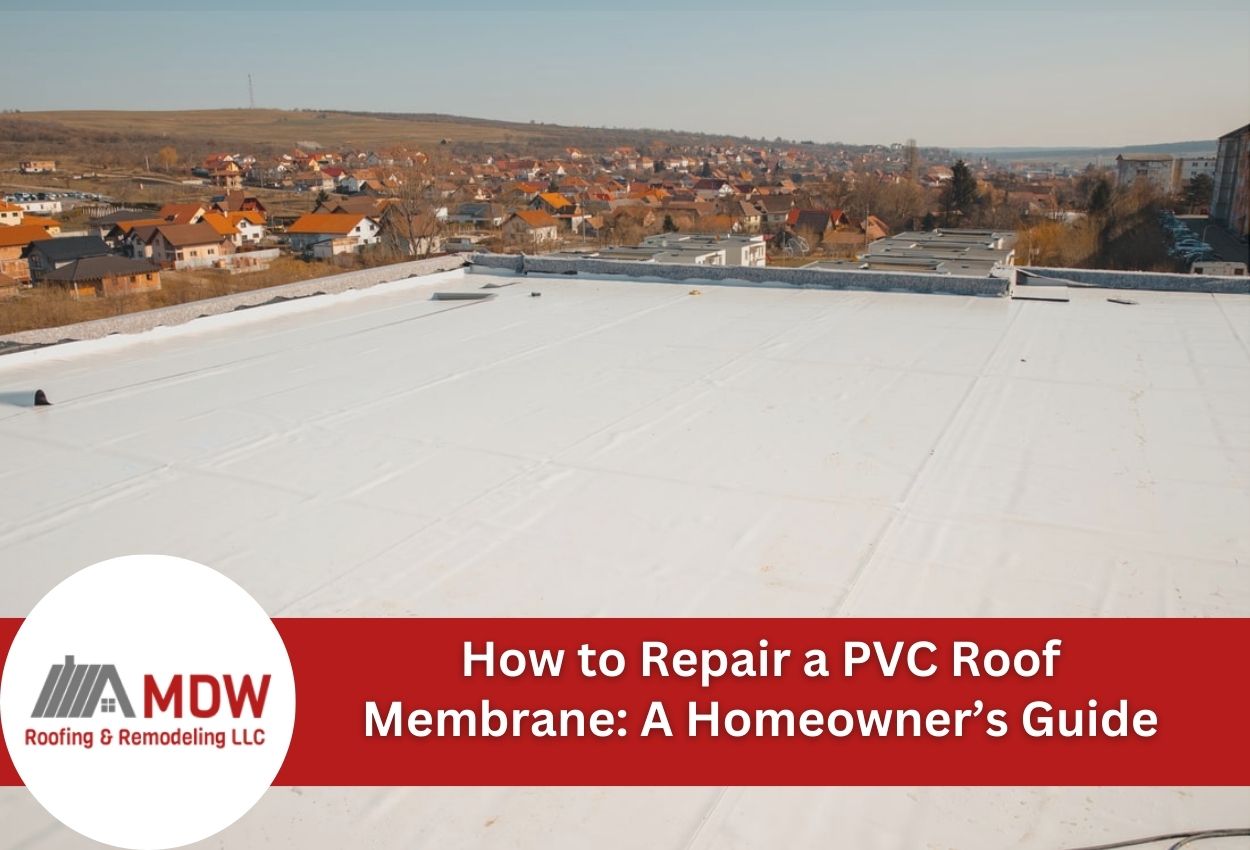
Different commercial roofing materials present varying cost structures that significantly impact both initial investment and long-term value. TPO membrane systems typically offer moderate upfront costs with excellent energy efficiency benefits, while EPDM provides proven durability at competitive pricing points. Modified bitumen systems deliver reliable performance for flat roof replacement pricing scenarios, though installation complexity can affect labor expenses.
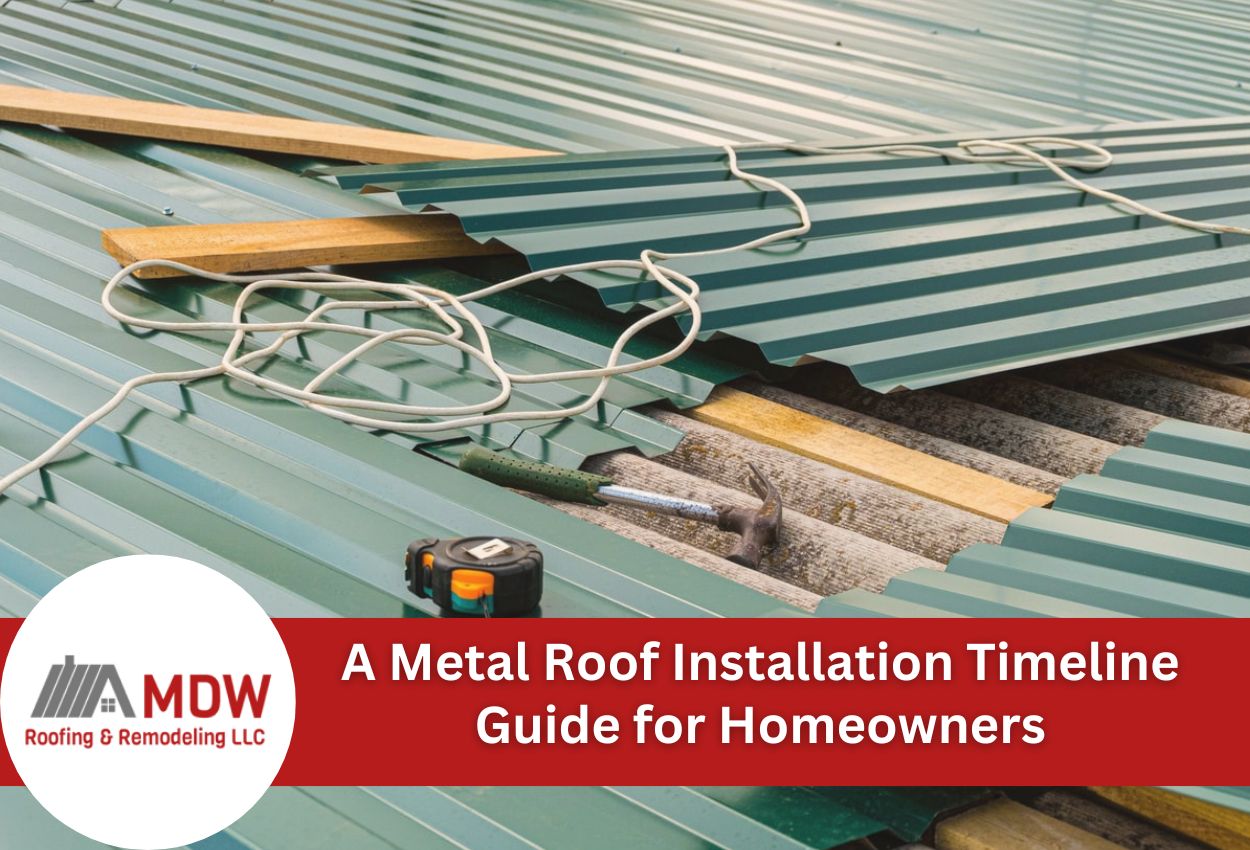
Metal roofing systems command a higher initial commercial roofing materials cost but offer exceptional longevity and weather resistance. These systems often provide superior return on investment through reduced maintenance requirements and enhanced energy performance. The commercial roof installation timeline varies between materials, with single-ply membranes typically requiring less installation time compared to built-up or modified bitumen applications.
Material warranties and energy efficiency ratings directly influence long-term financial outcomes beyond initial commercial roof replacement factors. High-performance materials with extended warranty coverage often justify higher upfront expenses through reduced replacement frequency and lower energy costs. Property owners should evaluate total lifecycle costs rather than focusing solely on initial material expenses when selecting roofing systems for their commercial buildings.
Flat Roof Replacement Pricing Considerations
Flat roofing systems present unique commercial roof replacement factors that significantly influence project costs beyond standard material and labor calculations. Proper drainage design becomes important for flat applications, requiring specialized slope creation, drain installation, and scupper placement to prevent water accumulation. These drainage requirements often need additional structural modifications that impact flat roof replacement pricing substantially.
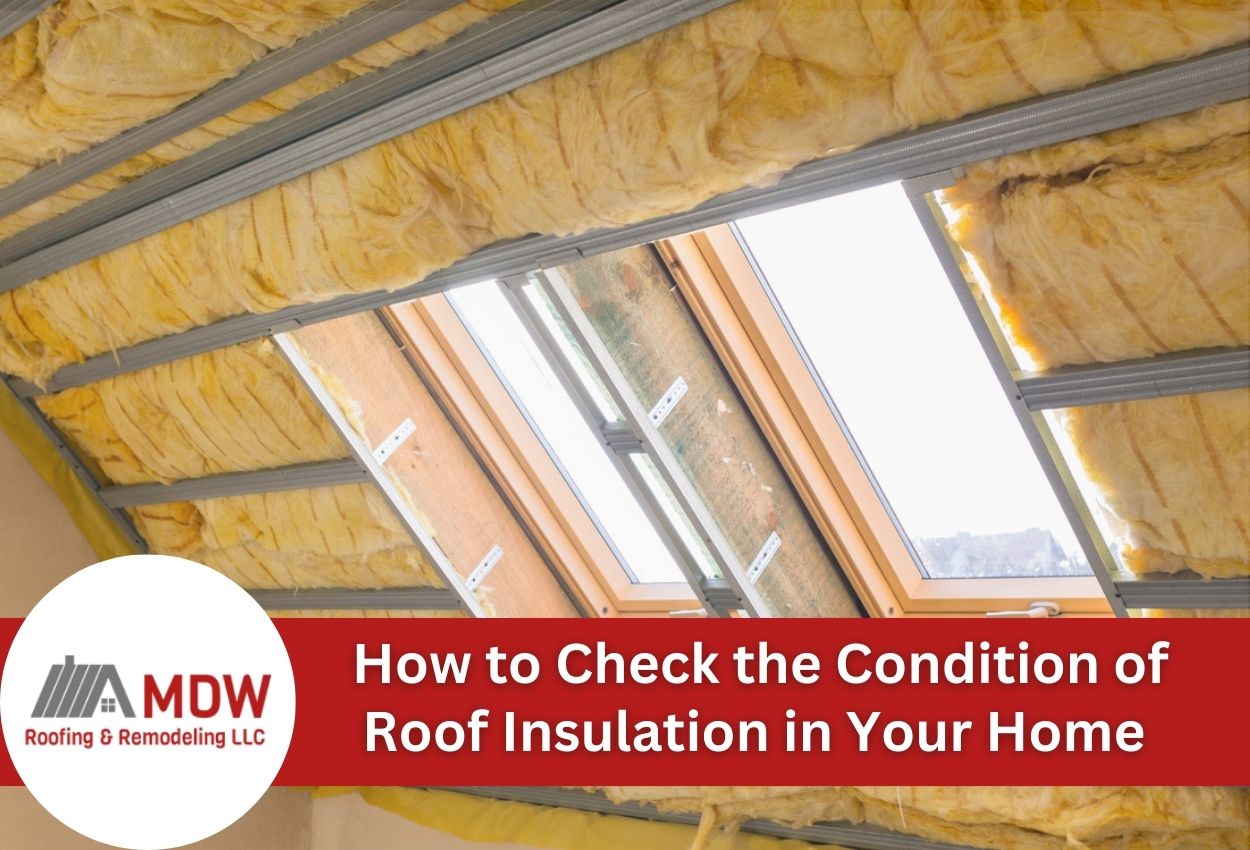
Insulation specifications for flat roofing systems typically exceed those of pitched roofs, with building codes mandating higher R-values and specific installation methods. The complexity of achieving continuous insulation coverage while accommodating gaps and equipment increases the cost of commercial roofing materials compared to simpler applications. Membrane installation on flat surfaces requires precise seaming techniques and specialized equipment for proper adhesion and weatherproofing.
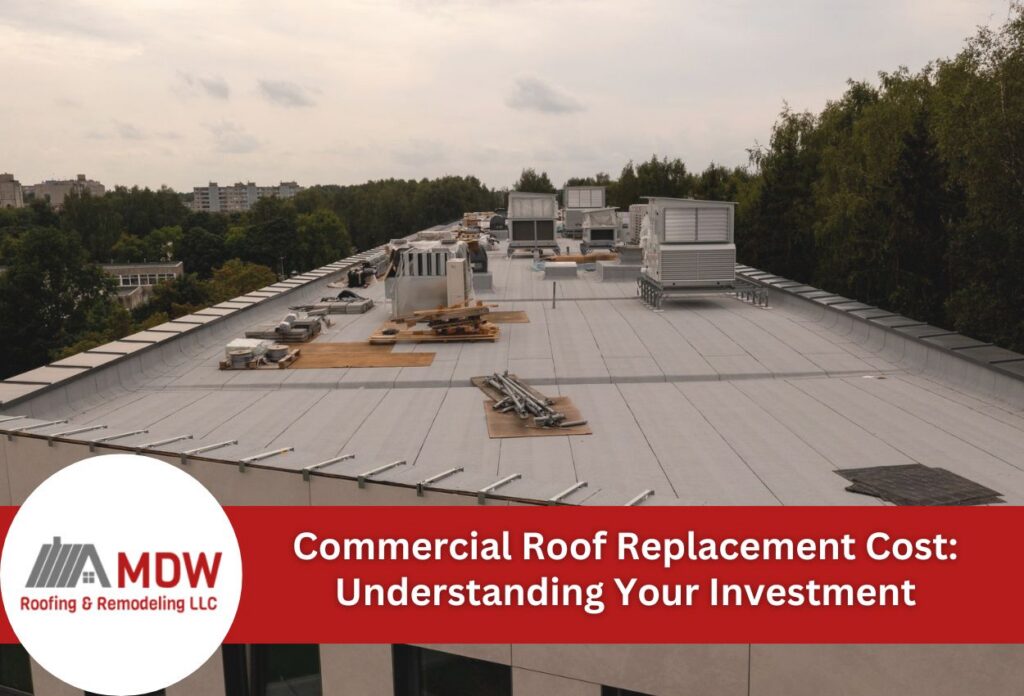
Roof gaps, HVAC equipment placement, and parapet wall conditions create additional commercial roof replacement factors unique to flat systems. Each gap requires custom flashing and sealing work that extends the commercial roof installation timeline and increases labor intensity. Properties showing signs you need commercial roof replacement often have compromised flashing around these important areas, requiring extensive remediation during the replacement process.
Labor Costs and Installation Timeline Factors
Project duration directly correlates with labor expenses, as extended commercial roof installation timeline requirements increase total workforce costs and equipment rental fees. Complex installations requiring specialized techniques or multiple crew phases naturally require higher labor investments than straightforward membrane applications. Roof complexity factors such as multiple levels, numerous gaps, and intricate drainage systems extend installation time and require experienced crews with specialized skills.
Workforce requirements scale dramatically based on project scale and timeline constraints. Large commercial properties often benefit from multiple crew deployment to compress installation schedules, though coordination complexity can impact efficiency. Weather delays frequently extend commercial roof replacement factors beyond initial projections, particularly during Houston’s hurricane season, when sudden storms can halt progress for days or weeks.
Seasonal timing significantly affects both labor availability and project costs throughout the year. Peak roofing season typically brings higher crew rates due to increased demand, while off-season scheduling may offer cost advantages despite potential weather challenges. Winter installations often require additional safety measures and may experience slower progress rates, affecting the overall commercial roof installation timeline. Properties displaying obvious signsthat you need commercial roof replacement should consider seasonal scheduling impacts when planning their replacement projects to get the most out of both the projected timeline and budget considerations.
Warning Signs That Indicate Roof Replacement is Necessary
Recognizing when commercial roof replacement factors point toward full replacement rather than continued repairs saves property owners from escalating maintenance costs and potential structural damage. Persistent leaks despite multiple repair attempts typically signal membrane failure beyond economical repair options. When leaks occur in multiple locations or reappear shortly after professional repairs, the underlying roofing system has likely reached the end of its serviceable life.
Visible membrane deterioration presents clear signs that you need commercial roof replacement through cracking, splitting, or complete separation from the roof deck. Ponding water that remains standing for more than 48 hours after rainfall indicates structural settlement or inadequate drainage that often requires complete system replacement to address properly. Extensive granule loss on modified bitumen systems or widespread chalking on single-ply membranes demonstrates material degradation that cannot be effectively repaired.
Energy efficiency decline becomes apparent through increasing HVAC costs and difficulty maintaining consistent interior temperatures. Aging insulation systems lose their thermal resistance properties, while membrane deterioration allows air leaks that compromise building envelope performance. When energy audits reveal significant heat loss through the roof assembly, the long-term savings from improved efficiency often justify commercial roof replacement costs over continued repairs to failing systems.
Planning Your Commercial Roof Replacement Budget
Developing an accurate budget for commercial roof replacement requires strategic planning and a close look at multiple cost factors beyond basic material and labor expenses. Property owners must obtain detailed estimates from qualified contractors while accounting for potential additional expenses that can significantly impact the total project investment.
Obtaining reliable estimates begins with requesting detailed proposals from multiple contractors that break down commercial roof replacement factors, including materials, labor, permits, and disposal fees. Quality proposals should specify exact material specifications, warranty terms, and project timeline expectations. Contractors should conduct thorough roof inspections to identify structural issues, drainage problems, or code compliance requirements that could affect flat roof replacement pricing during the project.
Evaluating contractor proposals requires comparing more than basic pricing structures. Commercial roofing materials cost variations between proposals often reflect differences in material quality, installation methods, or warranty coverage. Property managers should verify that all proposals include similar elements and meet local building code requirements. The commercial roof installation timeline should align with business operational needs while allowing adequate time for quality installation work.
Additional expenses often surprise property owners who focus solely on basic roofing costs without considering secondary project requirements. Temporary weather protection may become necessary to maintain business operations during extended installation periods, particularly for buildings housing sensitive equipment or inventory. Business disruption costs can include temporary relocation expenses, lost productivity, or additional security measures required during construction phases.
Building improvements frequently become necessary during commercial roof replacement projects when contractors discover structural deficiencies or code violations. Roof deck repairs, insulation upgrades, or drainage modifications can substantially increase project costs beyond initial commercial roof replacement factors. HVAC system modifications may be required to accommodate new roof heights or equipment placement requirements, while electrical work might be necessary for updated code compliance or improved building performance.
Ensure Your Investment with MDW Roofing & Remodeling LLC
Understanding the complexities of commercial roof replacement costs is important for effective budget management. With variables such as materials, labor, and the specific conditions of your building playing significant roles in the overall expense, choosing the right contractor becomes paramount. MDW Roofing & Remodeling LLC offers full services that cater to all your roofing needs, ensuring transparency and reliability throughout the project’s duration.
Call us today at (832) 766-9994 to discuss your roofing project and receive a detailed estimate that aligns with your budget and roofing requirements. Trust in MDW Roofing & Remodeling LLC to deliver quality and satisfaction.