
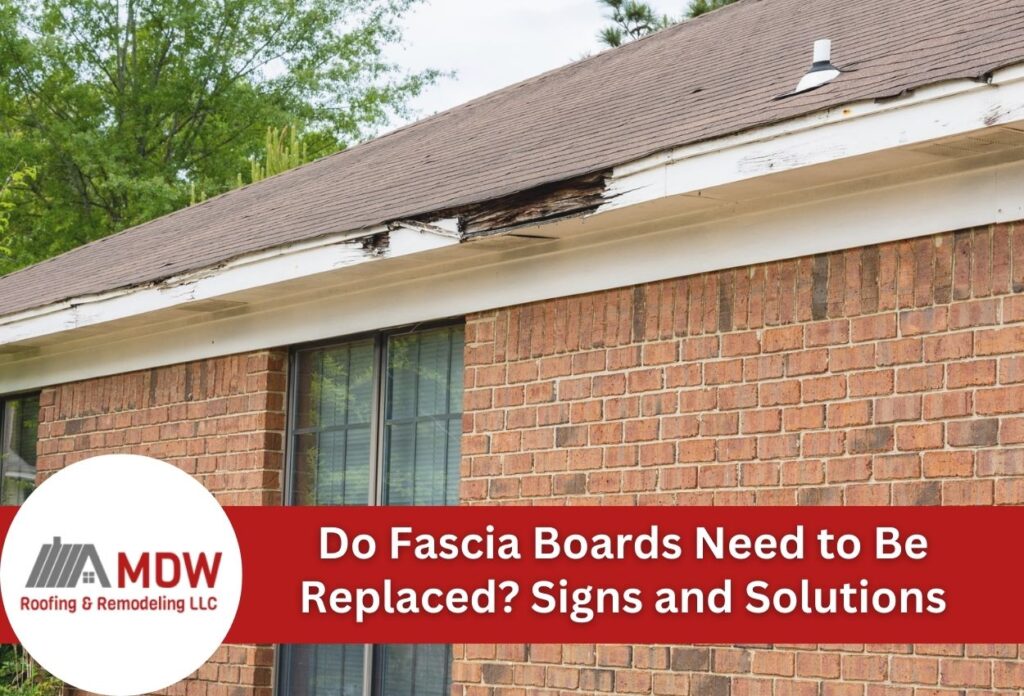

Fascia boards serve as the protective barrier between your roof’s edge and the elements, playing a crucial role in maintaining your home’s structural integrity. These horizontal boards run along the roofline, supporting gutters and creating a finished appearance while shielding the roof structure from moisture damage.
Signs that fascia boards need replacement become evident when homeowners notice rotting wood, peeling paint, or visible gaps between boards and the roofline. Water damage often appears as the primary culprit, causing boards to warp, crack, or develop soft spots that compromise their effectiveness.
Understanding when to replace fascia boards depends on several factors, including the extent of damage, material type, and age of existing boards. While minor issues might warrant simple repairs, significant deterioration typically requires complete replacement to prevent expensive structural problems.
The lifespan of fascia boards varies by material and environmental conditions, but most wooden fascia boards show signs of damage within 15 to 20 years. Regular inspection helps homeowners determine whether fascia board repairs or replacements offer the most practical solution for protecting their investment.
Warning Signs Your Fascia Boards Are Failing
Recognizing signs that fascia boards need replacement requires careful observation of both visual indicators and structural issues. Wood rot presents the most common warning sign, appearing as soft, darkened areas that feel spongy when pressed. Warping occurs when moisture leaks through the board, causing it to bend away from the roofline and creating gaps where water can infiltrate.
Peeling or blistering paint signals underlying moisture problems that often indicate deeper damage requiring immediate attention. Visible cracks running along the board’s length compromise its ability to protect the roof structure and typically get worse over time without intervention.
Structural problems provide clear indicators when to replace fascia boards rather than attempt repairs. Sagging gutters often result from deteriorated fascia board that can no longer support the weight, while loose boards create entry points for pests seeking shelter. Small holes or gnaw marks suggest insect or rodent infiltration, which accelerates deterioration.
These signs of fascia board damage need a quick evaluation to determine whether repair or replacement offers the most effective solution. Addressing these warning signs early prevents extensive water damage to underlying roof components and maintains the home’s protective barrier against the elements.
How Weather Conditions Affect the Fascia Board Lifespan
Houston’s climate presents unique challenges that significantly impact how long fascia boards last on local homes. The region’s high humidity levels create persistent moisture exposure that accelerates wood rot and deterioration, often reducing expected lifespans by several years compared to drier climates.
Severe storms and heavy rainfall, common to Texas weather patterns, test fascia board durability through repeated exposure to driving rain and wind. These conditions force moisture into small cracks and joints, expanding damage that may not initially appear significant but adds up over time.
Material selection can dramatically influence the lifespan of materials under these harsh conditions. Wood fascia board typically lasts 10 to 15 years before showing signs of fascia board damage, while vinyl boards often maintain their integrity for 20 to 25 years. Aluminum options frequently exceed 30 years of service life, and composite materials offer similar longevity with enhanced moisture resistance. Understanding these lifespan ranges helps homeowners plan for maintenance and determine when fascia board repair or replacement becomes necessary.
Repair Versus Replacement Decision Making
Determining whether to repair or replace damaged fascia boards depends on evaluating the extent of deterioration and weighing long-term effectiveness. Minor surface issues like small cracks, loose nails, or localized paint damage often respond well to targeted repairs that can extend the board’s useful life by several years.
Patching small holes with wood filler and applying quality primer and paint provides an economical solution when damage remains superficial. Spot treatments work effectively for addressing isolated problem areas before they spread to surrounding sections. Repainting fascia boards not only improves appearance but also creates a protective barrier against leaks.
However, certain conditions require full replacement rather than attempting repairs. Extensive rot affecting more than 25% of a board’s surface area typically indicates structural compromise that cannot be adequately addressed through patching. When multiple boards show simultaneous deterioration, replacement often proves more cost-effective than individual repairs.
Types of Damage That Require Immediate Replacement
Certain types of fascia board damage require immediate replacement rather than repair attempts, as these conditions compromise the board’s fundamental ability to protect the home’s structure. Water damage that gets deep into the wood creates irreversible deterioration that weakens the board’s load-bearing capacity and accelerates further decay.
Wood rot represents the most serious structural threat, appearing as soft, crumbling sections that cannot support gutter weight or provide effective moisture barriers. Once rot establishes itself within the wood fibers, it continues spreading even after surface repairs, making complete replacement the only viable solution.
Insect infestation, particularly from carpenter ants or termites, creates extensive internal damage that compromises structural integrity beyond repair capabilities. These pests hollow out wood from the inside, leaving boards that appear intact externally but lack the strength to perform their protective function.
Storm damage from high winds or hail impact often causes splits, breaks, or complete detachment that cannot be effectively patched. Age-related deterioration that affects the entire board length, including warping, checking, and multiple crack formation, indicates material failure requiring full replacement. When fascia boards exhibit these severe damage types, attempting repairs delays necessary replacement while allowing continued leaks and potential damage to underlying roof structures.
Choosing the Right Replacement Materials for Houston Homes
Selecting appropriate replacement materials requires careful consideration of Houston’s challenging climate conditions and long-term performance expectations. Wood fascia boards offer traditional appeal and easy workability, but require regular maintenance and typically last 10-15 years before showing signs that fascia boards need replacement due to moisture exposure and humidity.
Vinyl materials provide excellent moisture resistance and require minimal maintenance while offering 20 to 25-year lifespans under normal conditions. However, extreme heat can cause expansion and contraction that leads to warping or cracking over time. Aluminum fascia board delivers superior durability with 30+ year performance and excellent resistance to insects, rot, and weather damage.
Composite materials combine wood fiber and synthetic materials to create boards that resist moisture, insects, and UV damage while maintaining a natural wood appearance. These products typically last 25 to 30 years and eliminate many maintenance requirements associated with traditional wood options.
When determining when to replace fascia boards, consider factors beyond initial cost, including maintenance requirements, expected lifespan, and climate compatibility. Materials that resist leaks prevent the cyclical damage that creates recurring replacement needs. Selecting appropriate materials based on local environmental conditions ensures the best possible protection and reduces the frequency of future fascia board replacement projects while maintaining the home’s structural integrity.
Professional Installation Versus DIY Replacement Considerations
Replacing fascia boards involves significant safety concerns and technical challenges that homeowners should carefully evaluate before deciding between professional installation and DIY approaches. Working at roof height requires proper ladder placement, safety equipment, and experience navigating steep angles while handling materials and tools.
Technical aspects of fascia board replacement extend beyond simply removing old boards and installing new ones. Proper integration with existing roofing systems requires understanding how the fascia board connects to soffit panels, roof decking, and gutter mounting systems. Incorrect installation can create gaps that allow leaks or compromise structural support for gutters.
Professional contractors bring specialized tools and expertise that ensure proper techniques throughout the replacement process. They understand building codes, permit requirements, and proper flashing installation that prevents water damage. Professional installation typically includes warranties that protect homeowners against defective materials or installation issues.
DIY replacement may seem appealing for cost savings, but mistakes can lead to expensive damage that exceeds professional installation costs. Signs that fascia boards need replacement often indicate underlying issues that require experienced assessment to prevent recurring problems. Professional contractors can identify and address these root causes while ensuring new fascia boards integrate seamlessly with existing roofing systems for long-term protection.
Protect Your Houston Home with Professional Fascia Board Replacement.
If you’ve noticed signs of damage such as rot, warping, or peeling paint on your fascia boards, it may be time to consider a full replacement to ensure your home remains safe and visually appealing. MDW Roofing & Remodeling LLC specializes in replacing fascia boards that have suffered due to Houston’s harsh weather conditions. Don’t wait for minor damage to escalate into expensive repairs.
Choosing the right materials and ensuring professional installation are crucial to extending the lifespan of your fascia boards. Let us help you make the best decision for your home. For expert advice and quality service, call MDW Roofing & Remodeling LLC today at (832) 766-9994. Protect your investment with our professional roofing and remodeling solutions.