Are Roof Tarps Waterproof? Understanding Your Temporary Roof Protection Options
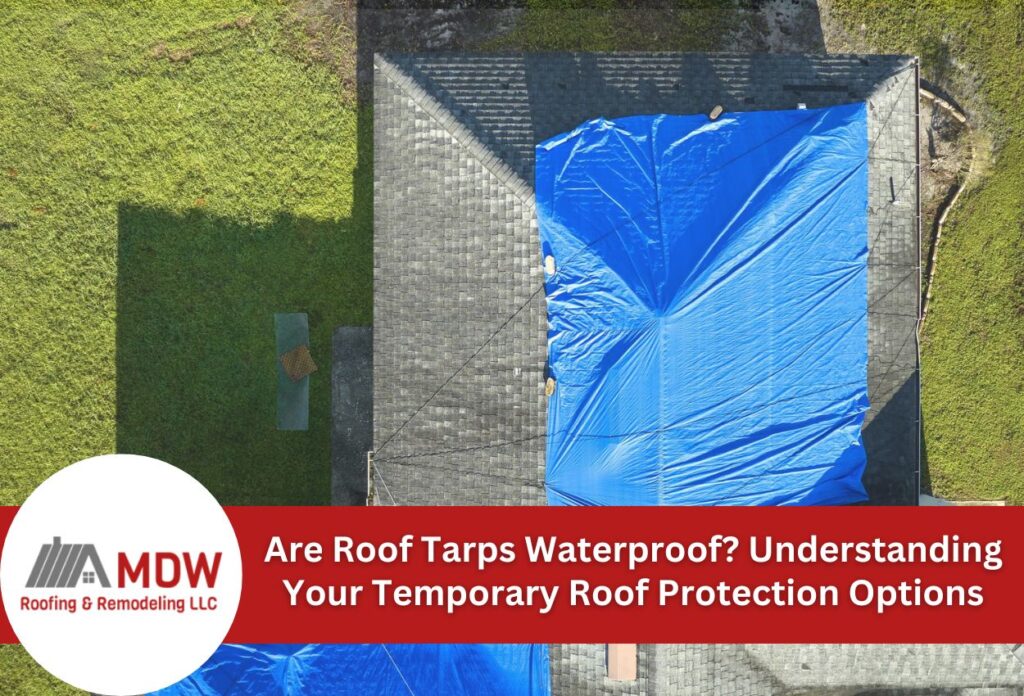
Roof tarps serve as critical emergency barriers when storms damage homes or during roofing repairs, but their effectiveness depends heavily on understanding the difference between waterproof and water-resistant properties. Many property owners assume all roof tarps work the same way, yet significant variations exist between different tarp types and their ability to prevent water infiltration.
How water-resistant a roof tarp is varies based on material composition, thickness, and construction quality. Standard blue poly tarps commonly found at hardware stores offer basic protection, while professional-grade temporary roof coverings provide superior performance against sustained rainfall and harsh weather conditions.
The distinction between waterproof and water-resistant becomes crucial when extended protection is needed. True waterproof materials create an impermeable barrier that blocks all moisture, while water-resistant products repel water to varying degrees but may eventually allow seepage under prolonged contact or pressure. Proper roof tarp installation also plays a vital role in maximizing effectiveness, as even the highest-quality materials can fail without correct securing methods and adequate overlap coverage.
Understanding their options helps property owners make the right decision when selecting blue poly tarps or alternative materials to protect their homes.
Roof Tarp Materials and Their Water Protection Capabilities
Different roof tarp materials provide varying levels of protection against water infiltration. Polyethylene tarps, commonly known as blue poly tarps, offer excellent waterproof properties due to their plastic construction that creates an impermeable barrier. These tarps typically completely prevent moisture penetration when correctly installed and maintained.
Vinyl tarps are a premium option, providing superior durability and consistent water resistance. The material’s inherent waterproof characteristics make it ideal for extended protection, as it resists tearing and maintains its barrier under severe weather conditions. Canvas tarps, while offering breathability, generally provide water-resistant rather than fully waterproof protection.
Roof tarp performance directly correlates with material thickness. Standard residential tarps range from 6-mil to 20-mil thickness, with heavier gauges delivering enhanced puncture resistance and longevity. Professional-grade tarps often exceed 20-mil thickness, providing robust protection against debris impact and sustained wind exposure.
The thickness determines how well tarps withstand ultraviolet degradation and mechanical stress. Thicker materials maintain their waterproof integrity longer, making them essential for situations requiring extended coverage. Proper roof tarp installation maximizes these material benefits, ensuring long-term performance regardless of the chosen tarp.
Blue Poly Tarps vs. Premium Roofing Options for Water Protection
Blue polyethylene tarps dominate emergency roof coverage applications due to their immediate availability and affordability during crisis situations. These blue poly tarps provide waterproof protection through their plastic construction, effectively preventing water penetration when properly secured. The material’s inherent waterproof properties make it suitable for short-term emergency situations where immediate protection is essential.
However, standard blue poly tarps have limitations that become apparent during extended use. Their thin construction typically ranges from 5-mil to 8-mil thickness, making them vulnerable to punctures from debris and UV degradation after several weeks of exposure. While effective for immediate roof covering needs, these tarps may develop small tears or weak spots that compromise their water barrier capabilities over time.
Premium roofing materials offer superior protection for extended temporary coverage. Heavy-duty options include reinforced vinyl tarps with fabric backing, providing enhanced durability and puncture resistance. Professional-grade materials often feature UV inhibitors that prevent rapid deterioration, maintaining their waterproof integrity for months rather than weeks.
Upgrading from basic poly tarps is often necessary when protection periods extend beyond 30 days or when severe weather conditions persist. Specialized roofing materials justify their higher cost through improved protection and reduced risk of secondary water damage to interior structures.
Installation Techniques That Maximize Water Protection
Successful roof tarp installation begins with critical attachment methods that prevent water infiltration around vulnerable edge points. Professional contractors secure heavy-duty roof tarps using fasteners placed along all edges, ensuring consistent contact between the tarp surface and the roof structure. This spacing prevents wind uplift that can create gaps where water seeps beneath the temporary waterproof barrier.
The attachment technique directly impacts waterproof effectiveness, as improperly secured fastener points become the primary failure locations during storms. Contractors generally install washers or backing plates beneath screws to distribute pressure evenly across the tarp material, preventing tears that develop around fastener holes. Blue poly tarps require particular attention to fastener selection, as standard screws can pull through thin materials under wind stress.
Creating proper water runoff patterns requires positioning tarps to direct moisture away from damaged roof sections toward existing gutters or drainage systems. Contractors avoid common installation mistakes that compromise waterproof integrity, such as creating low spots where water pools or insufficient overlap between multiple tarp sections. Correct overlaps ensure water flowing off upper tarp sections cannot seep through the seams between materials.
Strategic placement of roof tarps maximizes protection by accounting for prevailing wind directions and anticipated drainage volumes during heavy rainfall.
Understanding How Long Roof Tarps Maintain Their Waterproof Effectiveness
Several factors determine how long roof tarps protect against water infiltration. Weather exposure is the primary challenge to tarp longevity, as continuous cycles of rain, wind, and temperature fluctuations gradually weaken even heavy-duty materials. Direct sunlight accelerates material breakdown through ultraviolet radiation, causing plastic polymers in blue poly tarps to become brittle and develop microscopic cracks that allow water to leak underneath.
UV degradation typically begins affecting standard polyethylene tarps within 30 to 60 days of installation, depending on geographic location and seasonal sun intensity. Material fatigue occurs as repeated wind movement creates stress points along fastener locations and fold lines, eventually leading to tears that compromise the waterproof barrier. Temperature extremes contribute to this degradation process, as expansion and contraction cycles weaken tarp flexibility and adhesion around attachment points.
Professional-grade materials with UV inhibitors can maintain their waterproof integrity for three to six months under normal conditions, while standard blue poly tarps typically require replacement after four to eight weeks of continuous exposure. Proper roof tarp installation techniques can extend these timeframes by reducing stress concentration points and minimizing direct UV contact through strategic positioning and adequate fastener support.
When Roof Tarps May Not Provide Adequate Water Protection
Even professionally installed roof tarps face limitations during extreme weather conditions that can overwhelm their waterproof capabilities. Sustained heavy rainfall combined with strong winds creates hydrostatic pressure that forces water through microscopic gaps around fastener points and seams. Blue poly tarps are especially vulnerable when wind-driven rain approaches the covering at steep angles, allowing moisture beneath the edges despite secure attachment methods.
Severe storm conditions with wind speeds exceeding 40 mph can cause even heavy-duty roof tarps to flutter and flex excessively. This movement gradually loosens fasteners and creates temporary gaps where water gets past the temporary roof covering. Hail damage poses another significant threat, as ice impacts can puncture tarp materials instantly, creating direct pathways for water entry that compromise the entire protective system.
Roof structural factors significantly impact tarp performance regardless of material quality or installation techniques. Low-pitched roofs prevent proper water drainage, causing pooling that increases hydrostatic pressure against the tarp surface. Complex rooflines with multiple valleys, dormers, or intersections can make it difficult to establish continuous waterproof coverage.
Steep roof pitches present different challenges for roof tarp installation, as gravity and wind forces combine to stress attachment points beyond their design limits. Any structural limitations mean that roof tarp materials may not have the same real-world performance when these factors work against proper water shedding.
Making the Right Choice for Your Emergency Roofing Needs
Determining whether roof tarps provide adequate waterproof protection involves assessing specific damage and the expected duration of coverage needed. Property owners must evaluate the size and location of roof damage, considering whether heavy-duty roof tarps can effectively seal compromised areas. Large openings or extensive structural damage may exceed the protective capabilities of even premium roof tarps, necessitating alternative temporary solutions.
The severity of weather conditions during the protection period significantly influences tarp effectiveness. Blue poly tarps work well for minor damage during calm weather periods, but sustained storms or extreme conditions may require professional-grade roof coverings. Building owners should consider factors such as roof pitch, complexity of damaged areas, and accessibility when evaluating tarp options.
Professional roofing contractors provide essential guidance for situations where standard roof tarp installation methods may be insufficient. These experts assess structural integrity, recommend appropriate materials for specific conditions, and determine when temporary measures should transition to permanent repairs. Complex damage patterns, multiple penetration points, or compromised structural elements often require professional intervention beyond basic tarp coverage.
Consulting with roofing professionals is critical when water damage continues despite tarp installation, indicating that the protective barrier has failed or is inadequate for the specific situation, requiring more comprehensive temporary solutions.
Optimize Your Emergency Roof Protection with MDW Roofing & Remodeling LLC
When facing roof damage, ensuring immediate and effective water protection is crucial. Roof tarps are a popular temporary solution, but not all tarps provide the same level of waterproofing. Understanding the differences in material and installation can be the difference between a secure home and expensive water damage. MDW Roofing & Remodeling LLC specializes in top-quality roof tarping solutions for robust water protection, tailored to withstand harsh weather conditions and prevent water infiltration.
Call MDW Roofing & Remodeling LLC today at (832) 766-9994 to discuss your emergency roof protection needs and secure your property with the best waterproofing options available. Our experts are ready to help you choose the right materials and installation techniques to keep your home dry and protected.